Skip to Content

Water-Wise Workshops

Equip your 6th-12th grade students with real-world conservation skills and inspire them to become water stewards at home and school. 

Aquatic Exploration

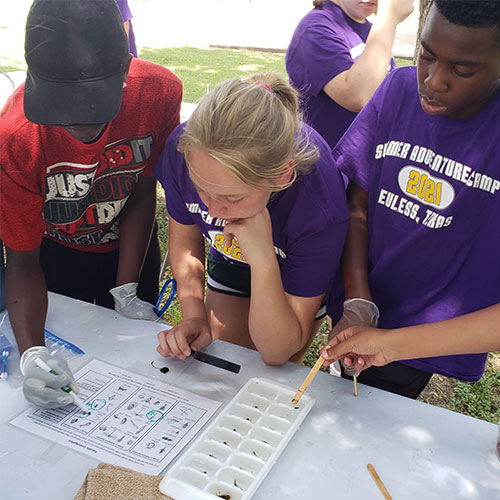
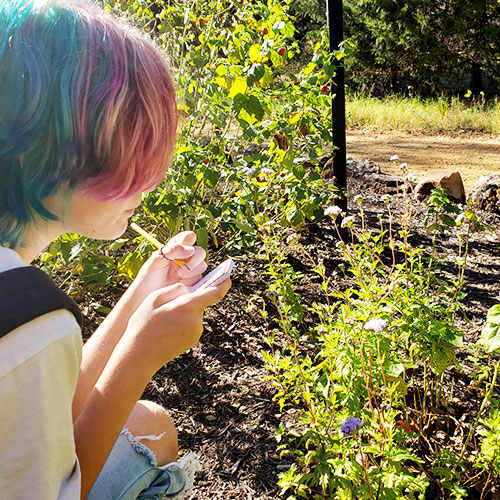
Connect local waterways to regional water sources, identify potential human impacts, and discover how aquatic insects can reveal the health of our waterways. (Outdoors) 

  • Use scientific tools to observe insect specimens.
  • Identify aquatic macroinvertebrates with field guides.
  • Connect human impacts to health of the waterway. 
 

TEKS: 

  • S.6.11.A, B
  • S.7.11.A; 14.B
  • S.8.12.B-C
  • Aquatic Science 13. A-B
  • Environmental Systems 10. A, B, D; 13.A
  • AP Env. Science Unit 1, 4, 5, 8
Water Quality Investigation

Connect local waterways to regional water sources, identify potential human impacts, and conduct tests to assess local water quality. (Indoors or Outdoors)

  • Explore how pollution enters our waterways.
  • Use water quality test kits and tools. 
  • Identify local water challenges and solutions. 
 
 TEKS: 
  • S.6.11.A, B
  • S.7.11.A 
  • S.8.1.A-E
  • Aquatic Science 1. A-E; 8.B; 10.A-C
  • Environmental Systems 10. A-D
  • AP Env. Science Unit 4, 5, 8

Rain Catchers

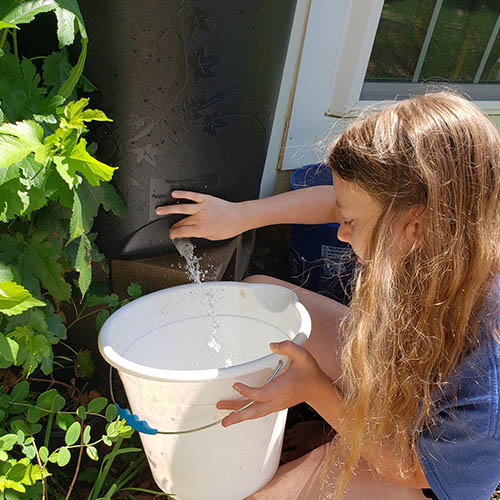
Discover the importance of using rainwater and learn how to build a system for home or school gardens. (Indoors or Outdoors)

  • Calculate how much water can be collected from a small roof. 
  • Help assemble a rain barrel or working model. 
  • Create a rainwater harvesting design.
   
 TEKS: 
  • S.6.5.A-D, 11.B
  • S.7.5.A-D, 11.A
  • S.8.5.A-D, G
  • Environmental Systems 2.A, 6.B
  • AP Env. Science Unit 5

Ready, Set, Garden!

Learn the essentials of garden design and apply your new knowledge by drawing a water-wise garden plan. (Indoors or Outdoors)

TEKS: 
  • S.6.5.A-D, 11.B
  • S.7.5.A-D, 11.A
  • S.8.5.A-D, G
  • Environmental Systems 2.A, 5.A, 6.B
  • AP Env. Science Unit 5


Water Supply IQ

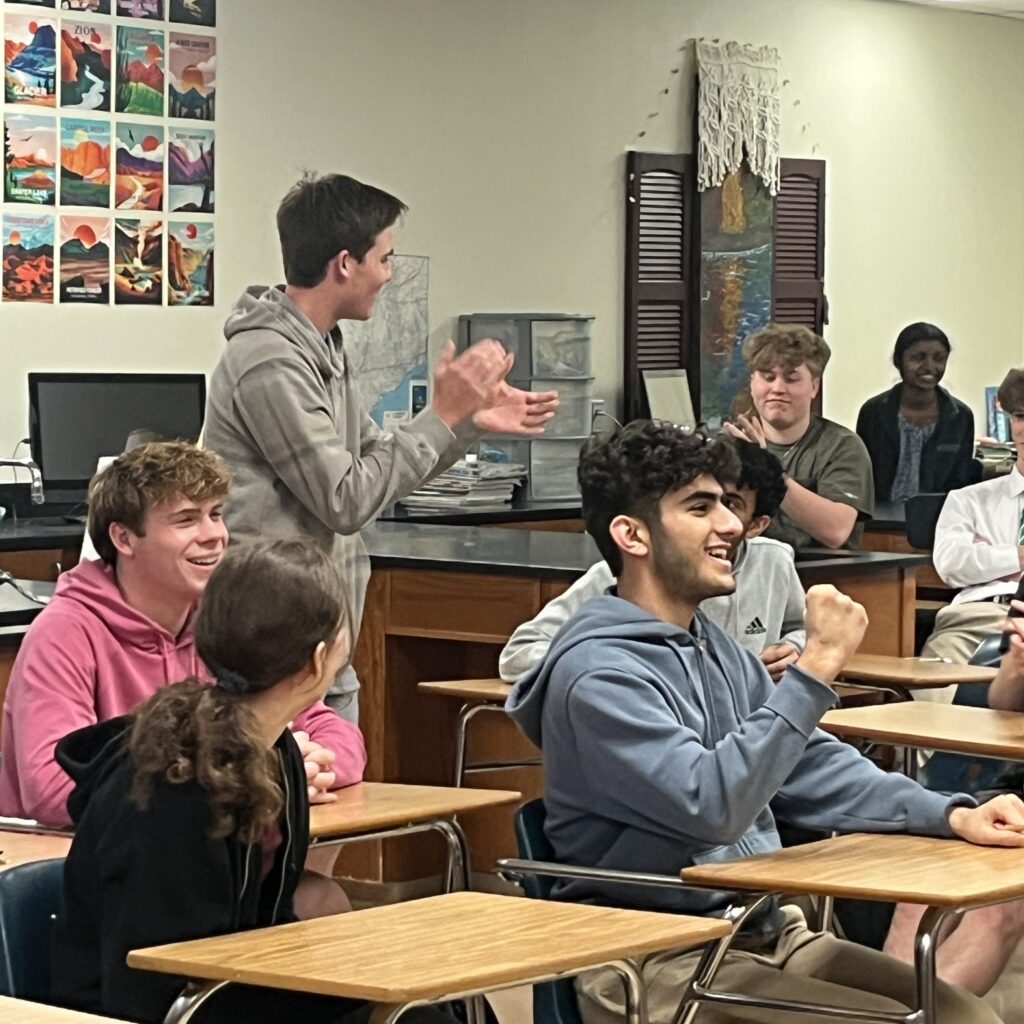
Test your knowledge of our water supply system by competing with your classmates in a fun, fast-paced quiz game. (Indoors)

  • Learn how clean water is distributed locally.
  • Identify key challenges to our water supply. 
  • Discuss key water conservation strategies.
 
 TEKS: 
  • S.6.5.A-D, 11.B
  • S.7.5.A-D, 11.A
  • S.8.5.A-D, G
  • Environmental Systems 2.A, 6.B
  • AP Env. Science Unit 5

Water Detectives

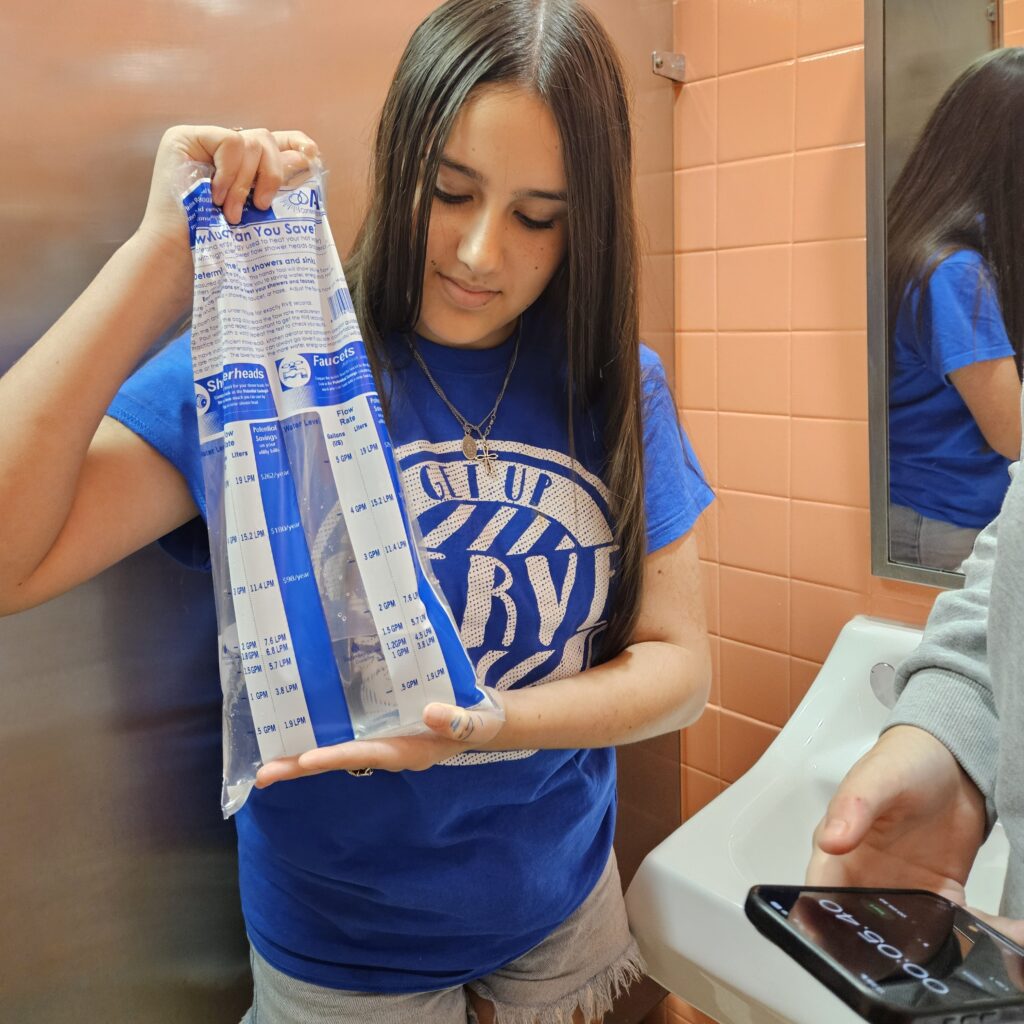
Conduct an investigation at your school or community center to identify water waste! (Indoors and Outdoors)

  • Test your knowledge of indoor water-use in a competitive game.
  • Share ideas on water systems and challenges.
  • Look for leaks and assess efficiency of water fixtures in your building.
  • Report your findings to help save water and money. 
 
TEKS: 
  • S.6.5.A-D, 11.B
  • S.7.5.A-D, 11.A
  • S.8.5.A-D, G
  • Environmental Systems 5.A, 6.B
  • AP Env. Science Unit 5

Engineering H2O

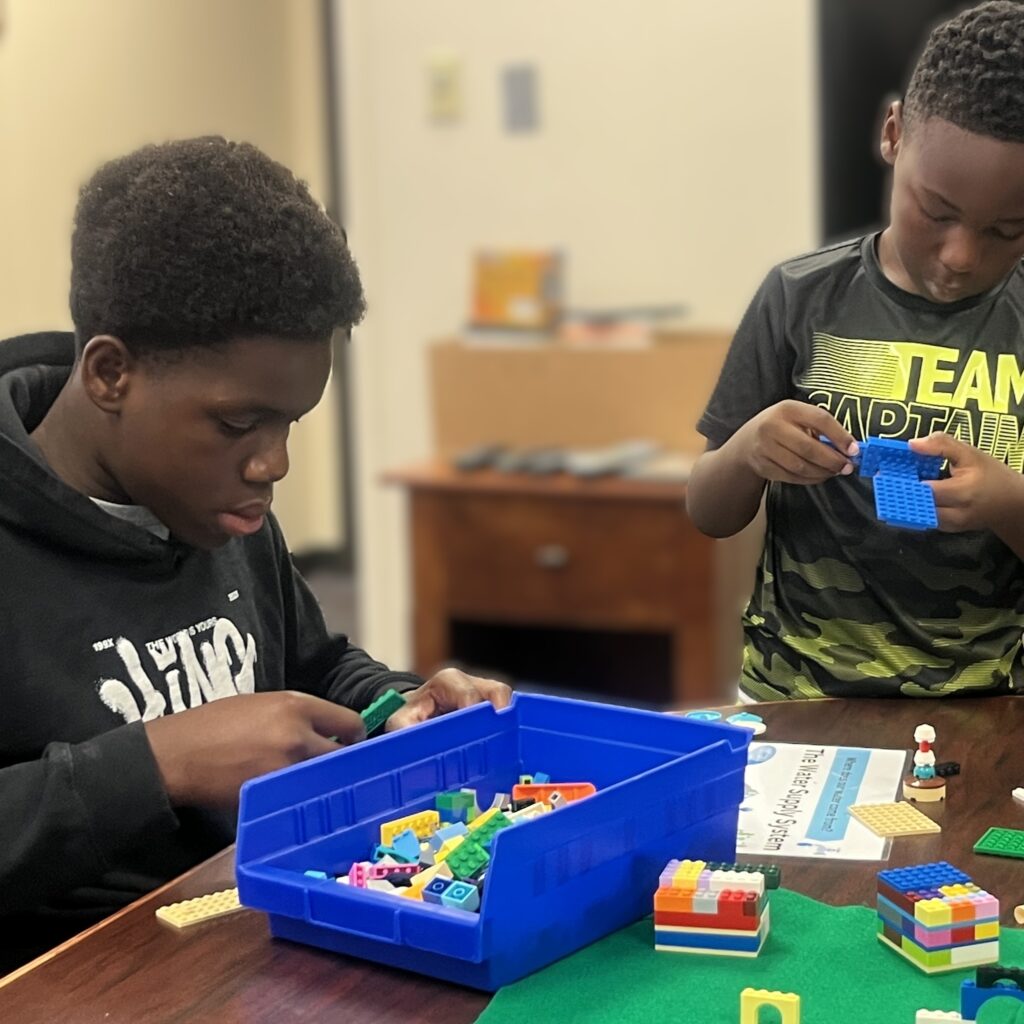
Work together to build a small-scale model of our water supply system and discuss real-world challenges in water management. 

  • Model changes from drought and population growth.
  • Identify practical strategies to increase our water supply.
 TEKS: 
  • S.6.5.D, G; 11.B
  • S.7.5.D, G; 11.A
  • S.8.5.A-D, G
  • Environmental Systems 2.A, 6.B
  • AP Env. Science Unit 5

Clean Water Chemistry

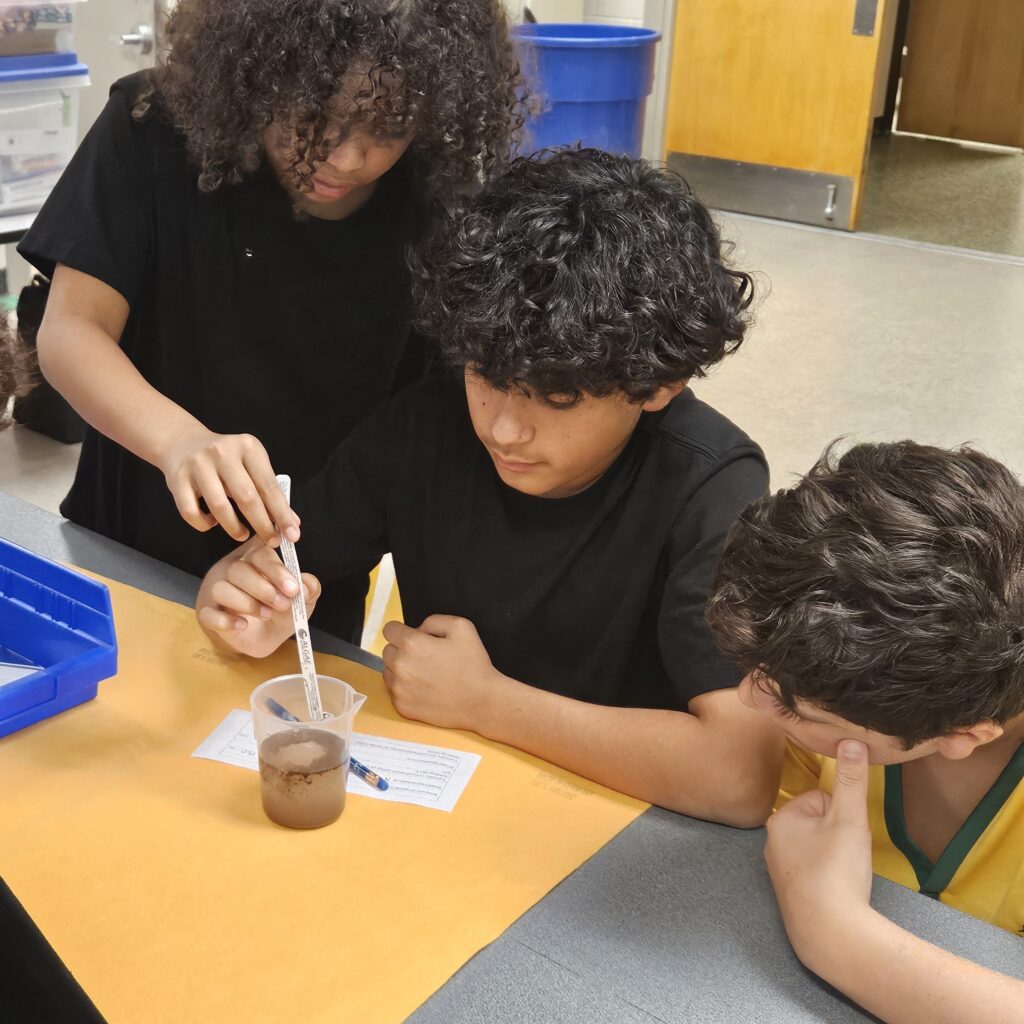
Conduct experiments to understand the chemical processes used today and throughout history to produce clean water for our community. (Indoors)

  • Connect human impacts in our watershed to our water supply. 
  • Test modern-day water filtration materials.
  • Record and assess data from filtration experiments. 
 
 TEKS: 
  • S.6.1.A-E; 11.B
  • S.7.5.A-E; 11.A 
  • S.8.1.A-E, G
  • Aquatic Science 2.A; 10.B
  • Environmental Systems 1.A-E
  • AP Env. Science Unit 8

Life-Giving Gardens

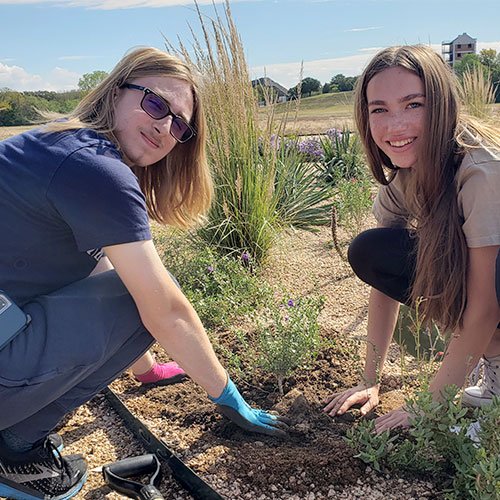
Learn to recognize important Texas plants and pollinators, provide habitat for birds and butterflies, and plant native wildflower seeds to take home. (Indoors or Outdoors)