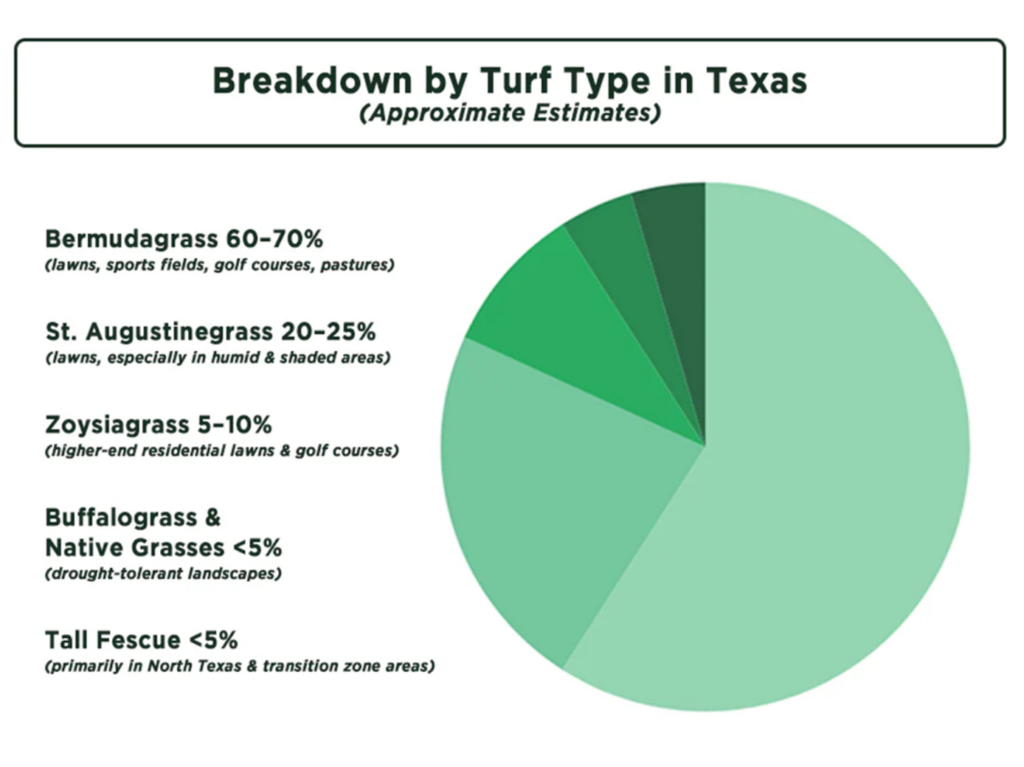
Not all grass species have varieties that are both widely available and well-suited for growing conditions in Texas. Local climate factors such as heat, drought, and soil type can influence which selections perform best.
Because availability can vary widely from place to place, some research is often needed to determine which varieties are accessible in your area and best suited for your specific landscape needs.
Buffalo Grass
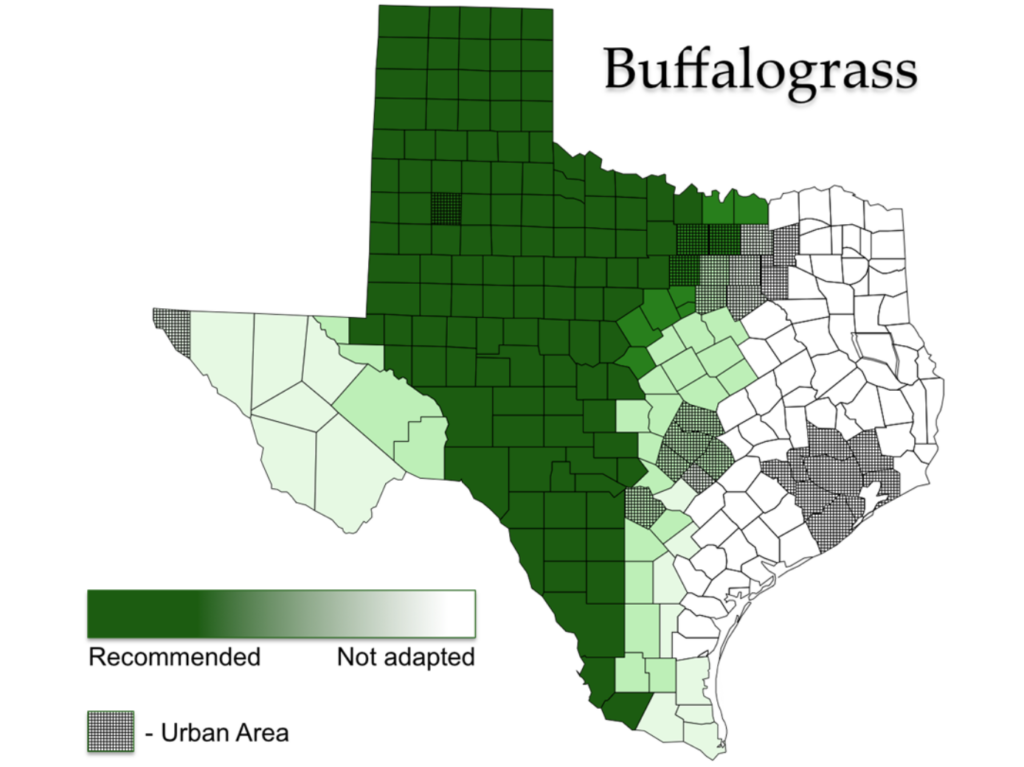
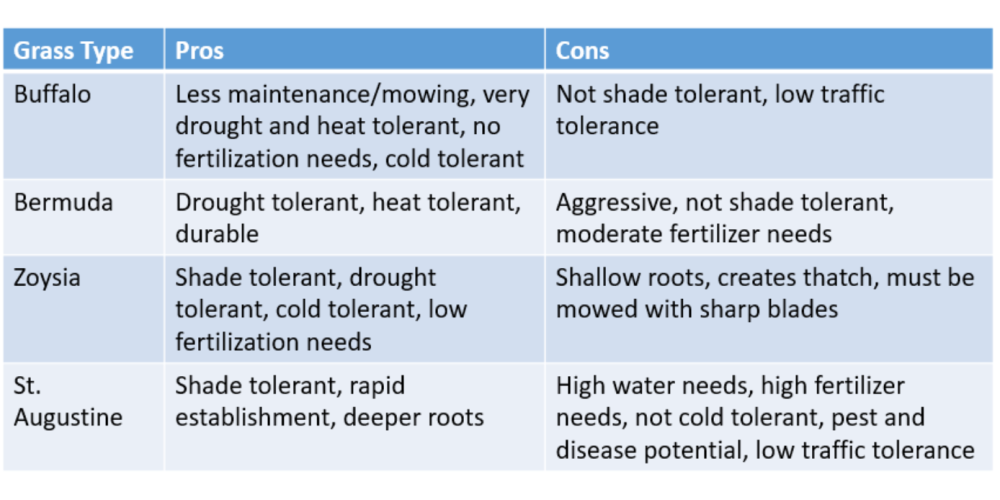
Buffalo grass is one of the best low-maintenance turf options for Texas landscapes. Because it is native to this region, it is naturally adapted to local heat and drought conditions and requires very little upkeep once established.
Native to Texas!
Built for Tough Conditions: Very tolerant of drought and heat, but less tolerant of heavy foot traffic
Sun Requirements: Performs best in full sun with at least 6–8 hours of direct sunlight daily
Water Needs: Low watering needs once established
Fertilization Needs: Very low; typically thrives with little to no added fertilizer once established
Best Uses: Commonly used for residential lawns
Often selected for its low-maintenance growth habit and ability to thrive in hot, dry conditions with minimal care.
Bermuda Grass
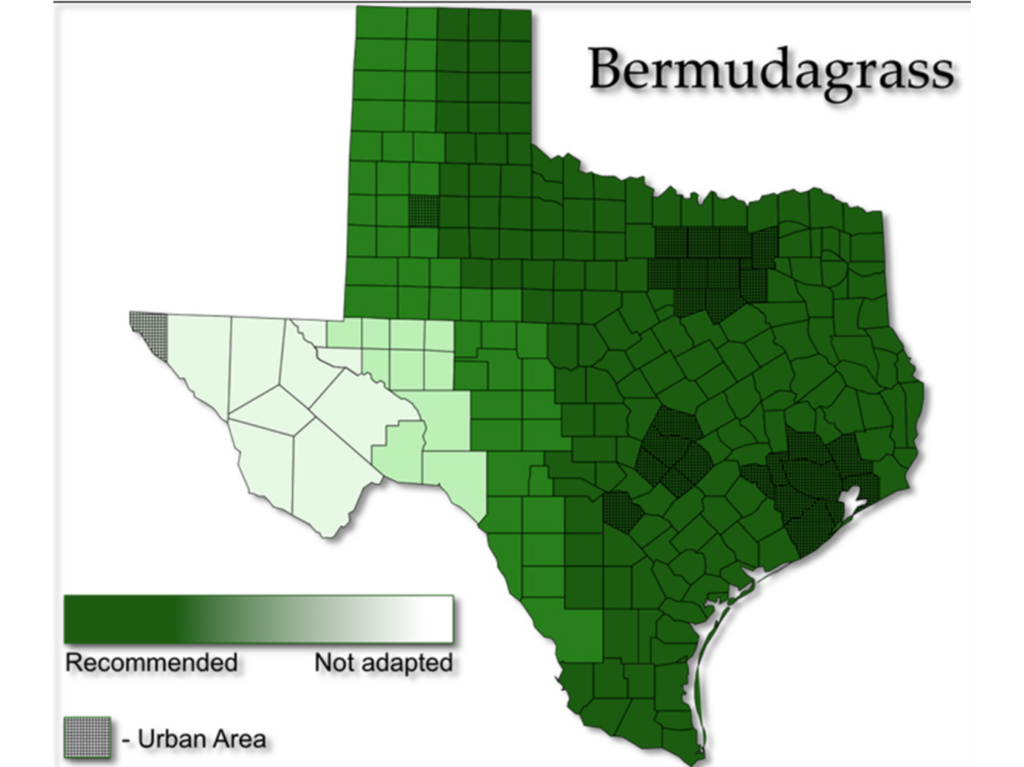
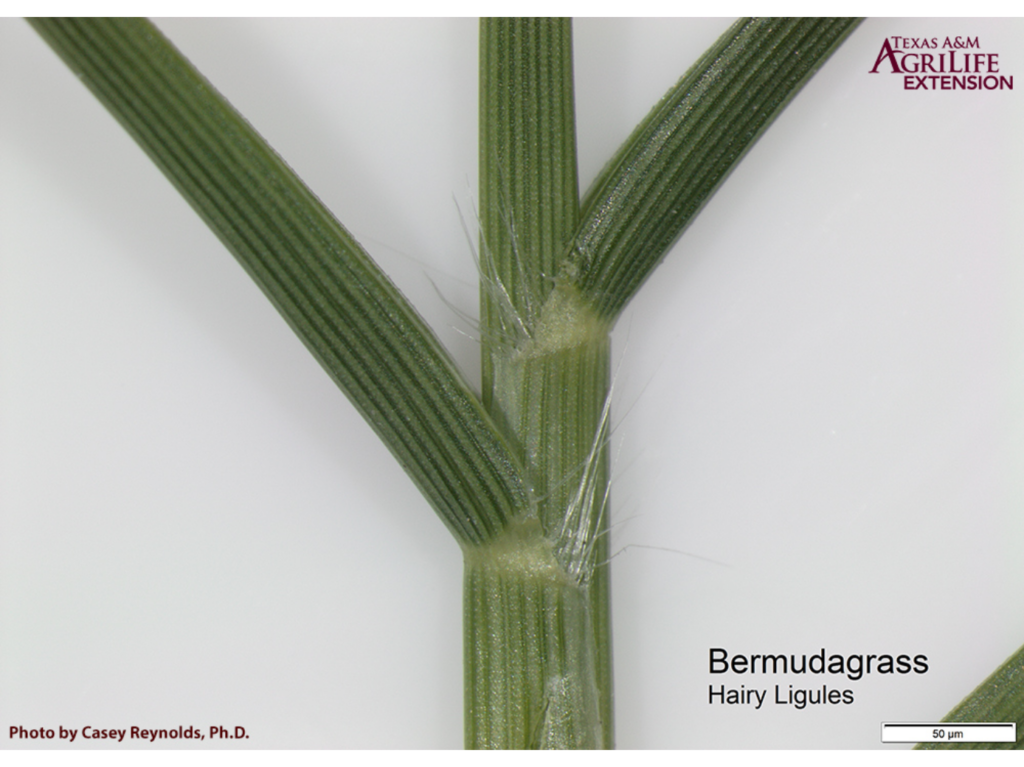
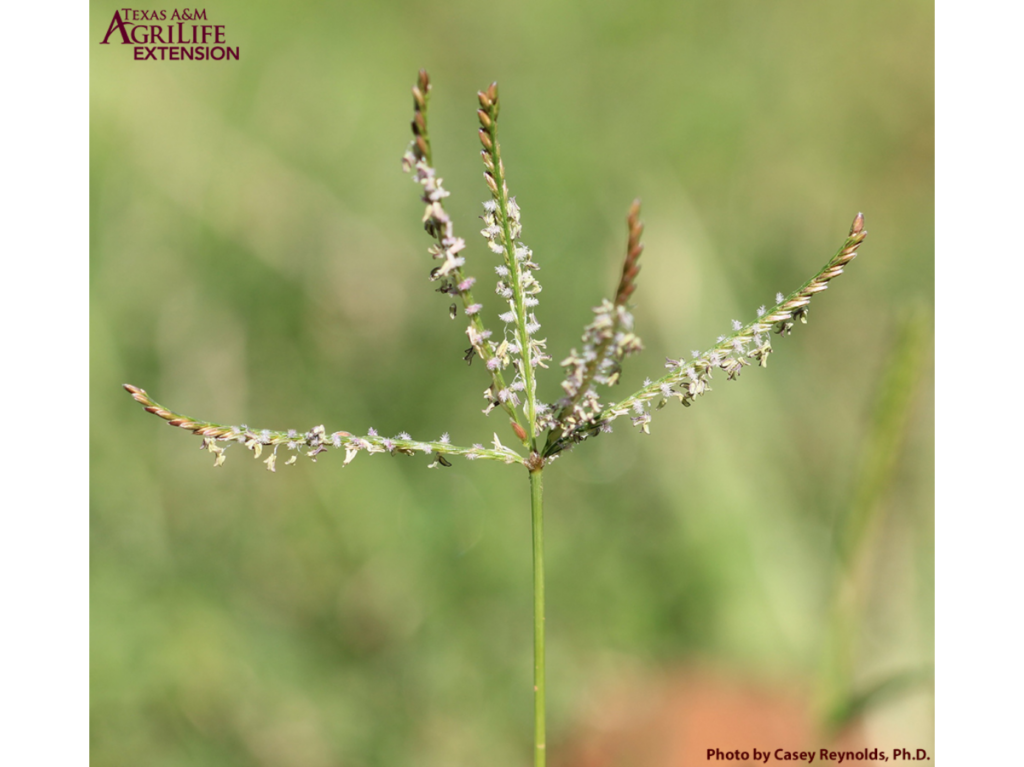
Bermuda grass is one of the most common turfgrass types in Texas. It is primarily grown in Texas, Oklahoma, and a few nearby states such as Arkansas, where the climate supports its use. In many other parts of the country, however, it is often considered a weed due to its aggressive growth habit.
Built for Tough Conditions: Tolerates drought, heat, and heavy foot traffic well
Sun Requirements: Performs best in full sun with at least 6–8 hours of direct sunlight daily
Water Needs: Moderate watering needs once established
Fertilization Needs: Moderate to high, especially during the growing season for best color and density
Best Uses: Commonly used for home lawns, golf courses, and athletic fields
Often selected for dense turf growth and darker green color for an attractive lawn appearance.
Zoysia Grass
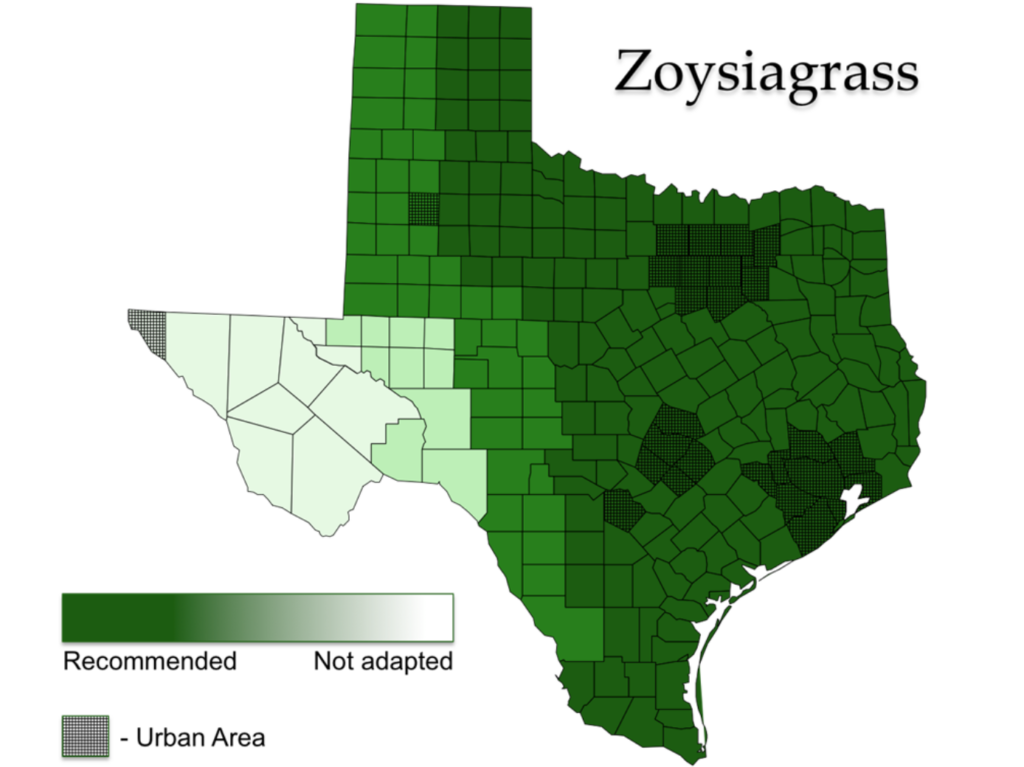
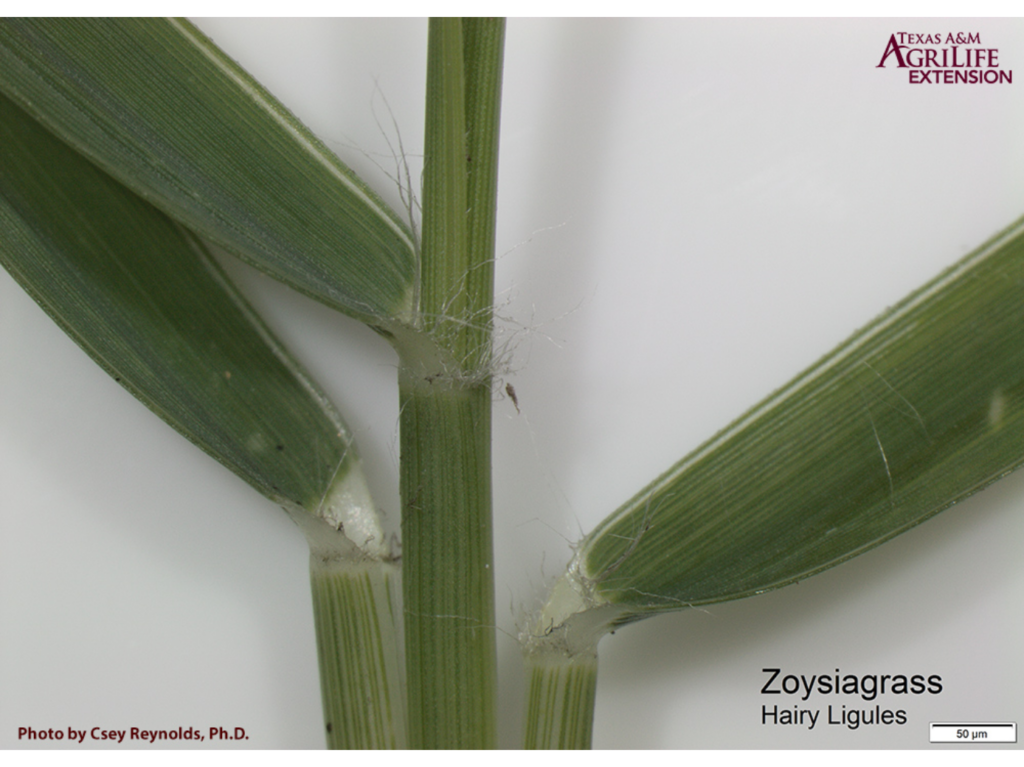
Zoysia is a versatile turfgrass that grows well in both sun and partial shade. It’s popular for its slow growth, which means less mowing and fewer pest problems, making it a lower-maintenance choice. However, it can brown more quickly during periods of extreme heat or drought.
Built for Versatility: Offers moderate tolerance to drought, heat, and foot traffic
Sun Requirements: Grows best in full sun to part shade with at least 4 hours of sunlight daily
Water Needs: Moderate watering needs to maintain healthy growth
Fertilization needs: Low to moderate; benefits from occasional light feeding but does not require heavy fertilization
Best Uses: Commonly used for residential lawns and recreation areas
Often selected for drought, cold, or shade tolerance.
St. Augustine Grass
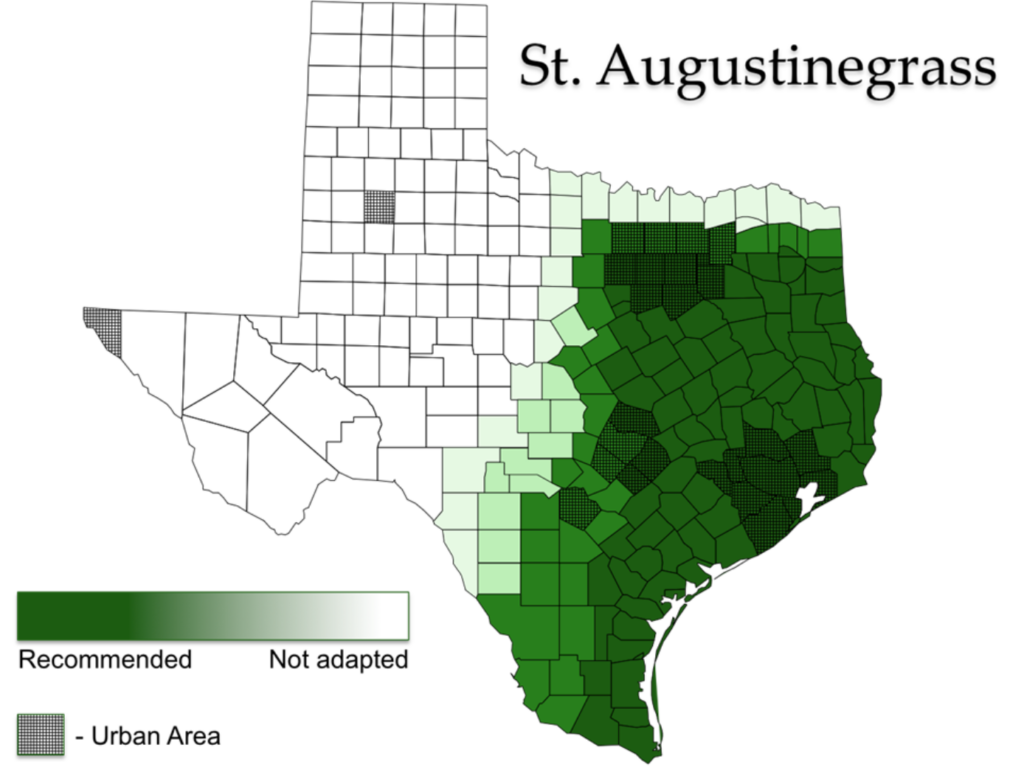
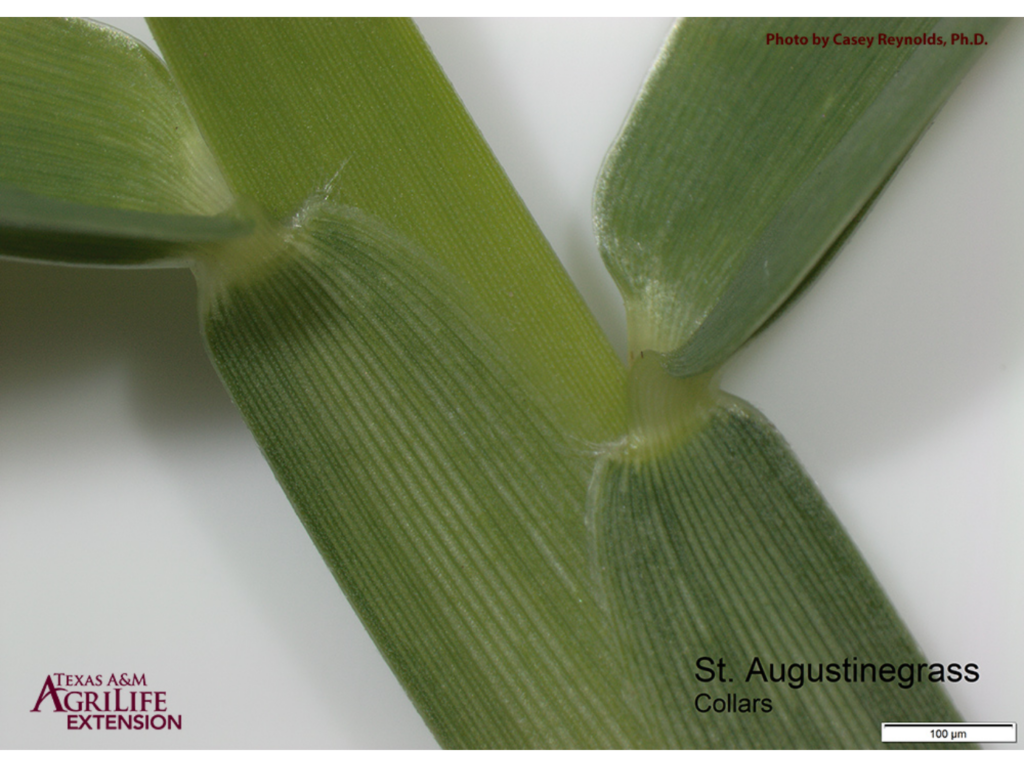
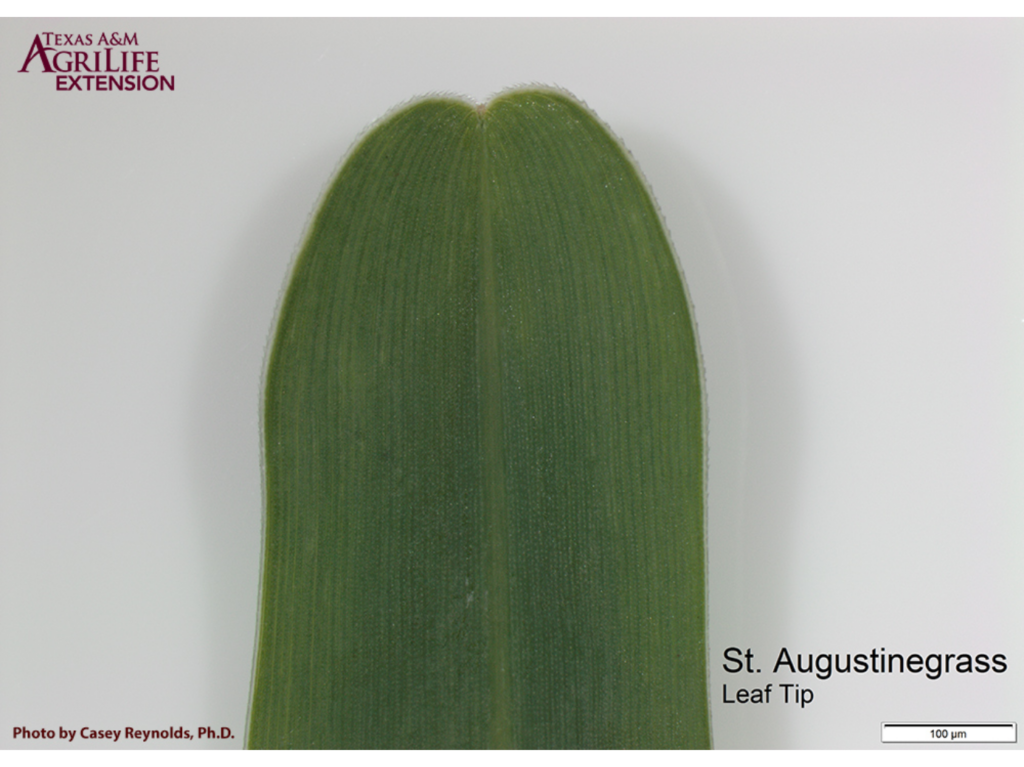
St. Augustine is a tropical grass with a coarse texture and the least desirable “foot feel”. It is more prone to pests and diseases than other grass types and requires higher overall maintenance. It performs best in warmer, more humid regions and is most commonly recommended for landscapes in southeast Texas.
Built for Cooler Conditions: Lower tolerance to drought and heat, and not well suited for heavy traffic
Sun Requirements: Prefers part sun to part shade, needing at least 2–4 hours of sunlight daily
Water Needs: Moderate watering requirements
Fertilization needs: High compared to other turfgrasses; requires regular feeding to maintain healthy growth and appearance
Best Uses: Commonly used for home lawns and recreation areas
Often selected for its ability to grow in shady conditions.
Which is Right for You?
Choosing the right turfgrass comes down to finding the best fit for your landscape, climate, and maintenance preferences. Each grass type has its own strengths and tradeoffs, so it is important to compare options carefully before making a decision.