In Texas, lawns are under constant pressure from heat, drought, and high-water demand, so care and maintenance become especially important.
A lot of lawn problems aren’t caused by the grass, but by how it’s managed day to day. Things like mowing, soil health, fertilization, and irrigation all play a role in how a lawn performs.
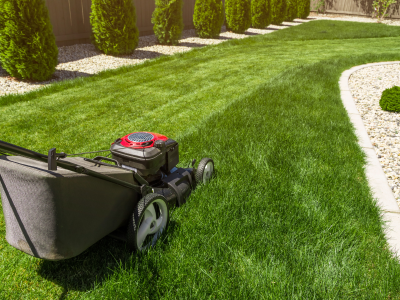
Mow for Success
Done correctly, mowing encourages thicker turf, improves appearance, and helps reduce weed pressure over time. Small adjustments in mowing habits can make a big difference in overall lawn health.
Follow the one-third rule by never removing more than one-third of the leaf blade at a time to reduce stress on the grass.
Raise mowing heights during summer to shade the soil, reduce moisture loss, and improve drought tolerance.
Sharpen mower blades at least twice a year to create clean cuts that heal quickly and reduce disease risk.
Mow more frequently to reduce weed growth and encourage stronger turf.
Strengthen Your Soil
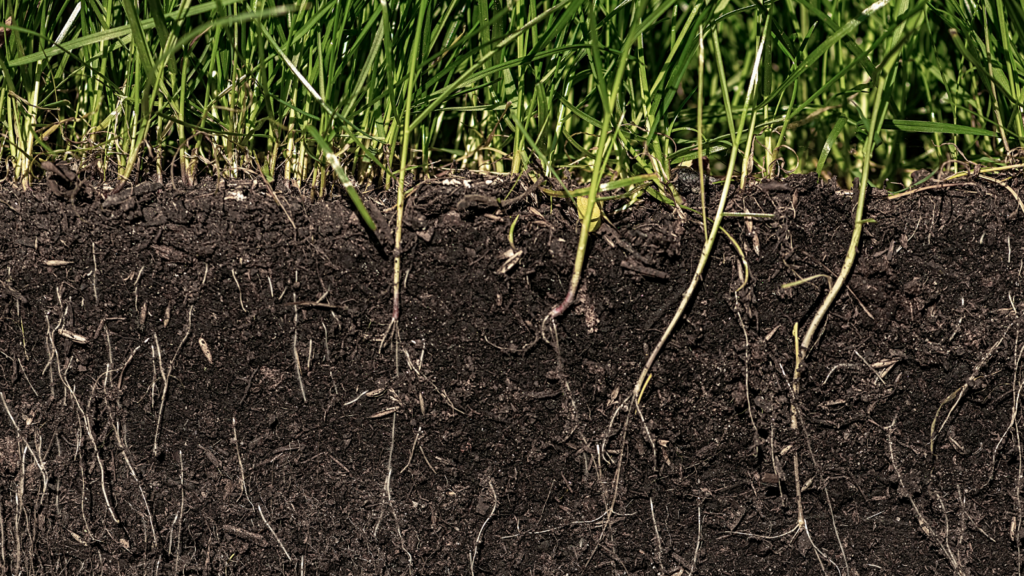
Healthy soil is the foundation of a healthy lawn. Strong soil structure improves root growth, water movement, and the lawn’s ability to handle heat and drought stress.
Aerate compacted soils to improve airflow, water movement, and root growth.
Top dress with 1/4 in. compost in spring and fall to increase organic matter and improve soil structure.
Leave mulched grass clippings on the lawn to naturally return nutrients to the soil over time.
Fertilize with Purpose
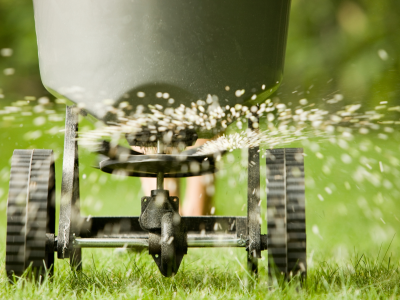
Fertilizer can support healthy growth, but only when it is used correctly and in the right amounts. Many lawns are over-fertilized or fertilized without knowing what the soil actually needs. A more intentional approach leads to healthier turf and fewer problems long-term.
Test your soil before fertilizing to identify nutrient deficiencies and avoid overapplication.
Choose a slow-release fertilizer to provide nutrients over time and encourage steady, healthy growth.
Avoid fertilizing before heavy rainfall to help prevent nutrients from washing away into storm drains and waterways.
Always follow the instructions on the fertilizer bag to apply the correct amount and avoid overfertilizing.
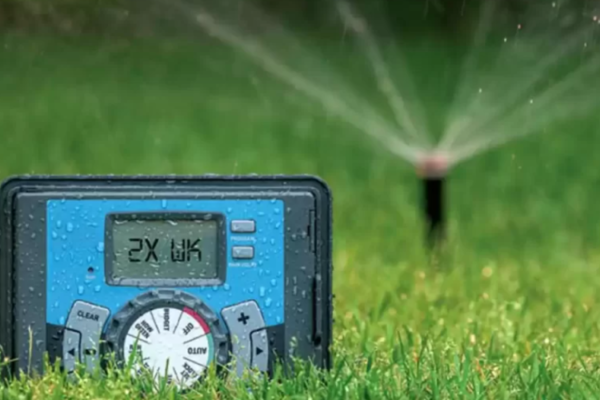
How you water your lawn has a major impact on its health and water use efficiency. Most lawns are overwatered, which leads to shallow roots and weaker turf. Smart watering practices focus on applying water only when and where it is needed.
Lawns often show visible signs when they are under stress or in need of water. Learning to recognize these cues helps prevent both overwatering and underwatering. Observing your lawn regularly leads to better timing and more efficient care.
Look for footprints that remain visible as this can indicate the lawn is beginning to dry out.
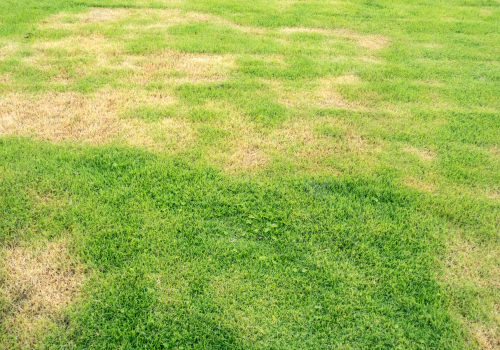
Watch for color changes or wilting that indicates stressed turf.
Use the screwdriver test – If it is too difficult to push a screwdriver 4-6 inches into the soil, it may be too dry.
Check lawns in the morning since even healthy grass can appear stressed on hot afternoons.
Stay on Track
Not sure what to do next? Calendars and checklists provide an easy way to plan ahead, stay organized, and make sure nothing gets overlooked throughout the year.