No matter the month, there is always something you can do in your Texas garden to keep it thriving.
Your level of involvement is entirely up to you, with plenty of flexibility to match your time, skill level, and lifestyle.
From simple seasonal tips to more involved projects, this guide will show you what to do to care for your garden year-round.
January
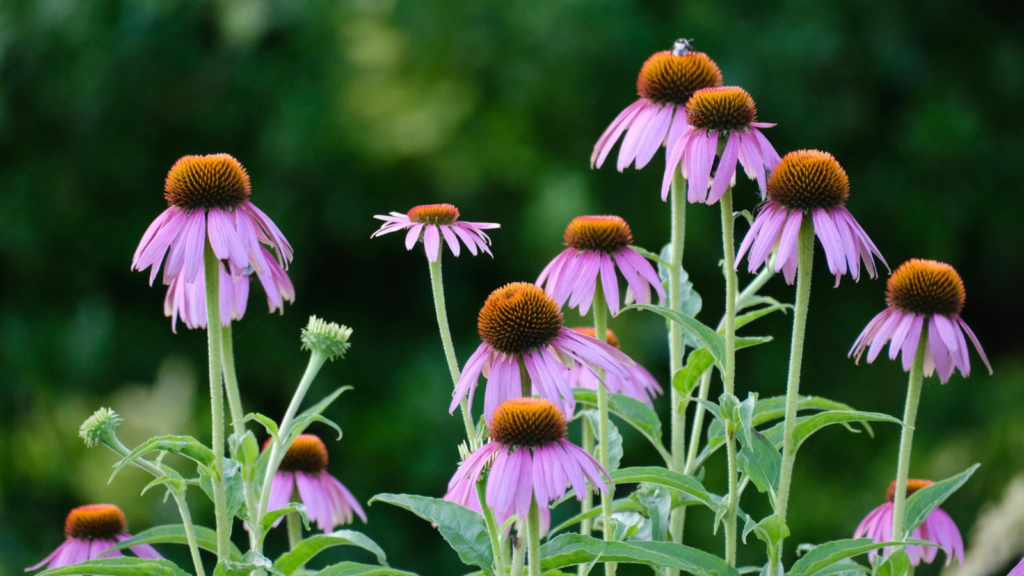
Perennials should be left unpruned, allowing their stems and seed heads to provide protection and habitat through the colder months.
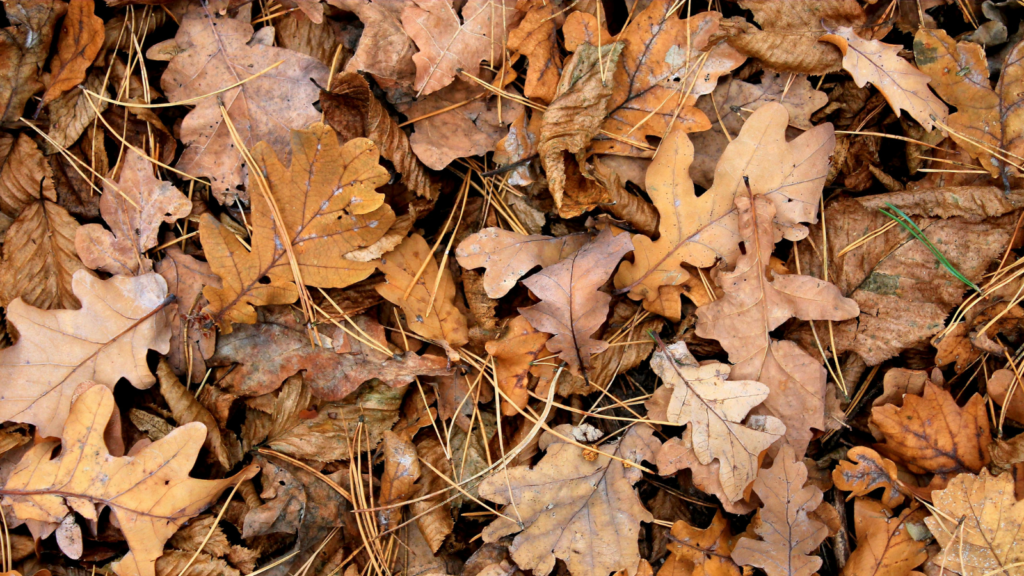
Fallen leaves should also remain on the ground, where they act as natural mulch and enrich the soil as they break down.
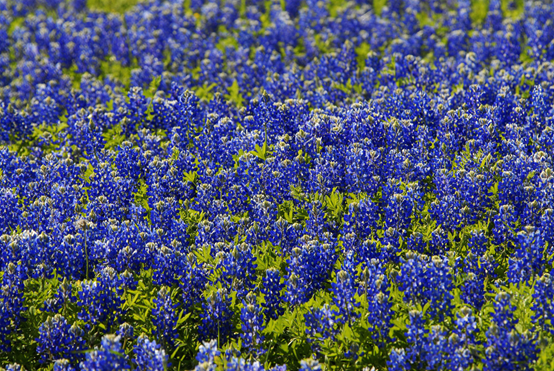
Spread seeds outdoors for wildflowers, giving them the cold exposure they need to germinate in spring.
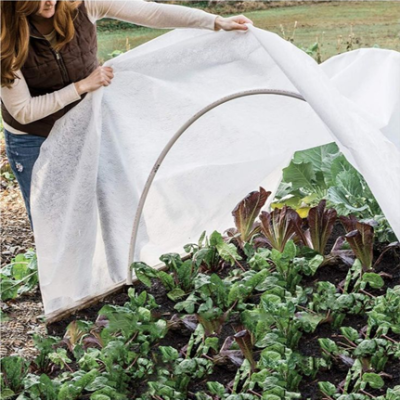
Move freeze-sensitive plants in pots indoors before temperatures drop too low, and cover any in-ground plants that are vulnerable to frost to help them survive winter’s chill.
Sprinklers should generally be turned off during this time of year, unless conditions are unusually warm or there has been no rain for an entire month.
With average rainfall, both native plants and high-water-use areas like lawns typically need no supplemental irrigation.
Plan and prepare for spring. Use the quieter months to tackle large earth-moving or building projects and think through any landscape changes you’d like to make.
Take note of what needs to be replaced and what new plants you want to add
Start creating landscape designs for spring vegetable gardens and other areas.
Begin planning your spring vegetable garden.
Order seeds and map out a timeline for the coming season so you’re ready when warmer weather arrives.
February
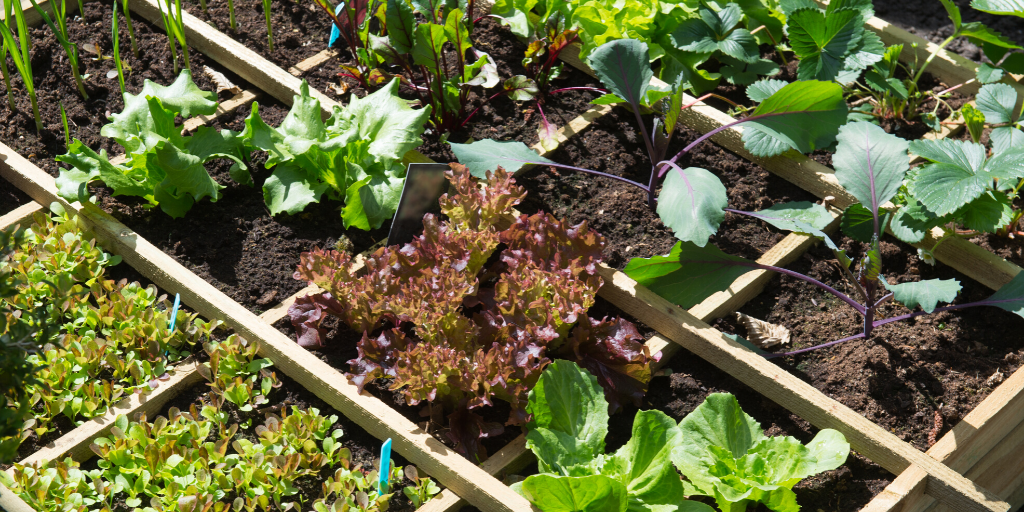
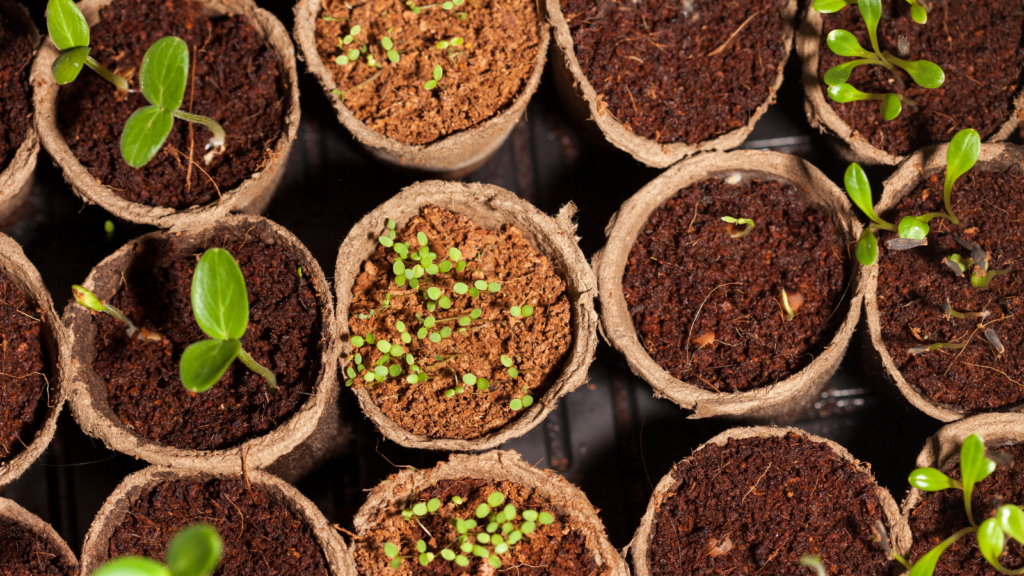
Continue caring for vegetable seeds sprouting indoors, and if temperatures are warm, begin moving them outside gradually so they can slowly adjust to sunlight.
Finish planning where spring vegetables will be planted
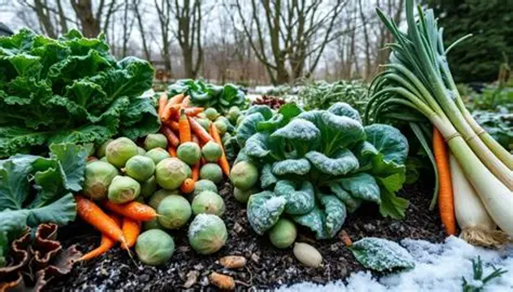
Harvest any winter crops that are ready
Complete large projects before spring begins.
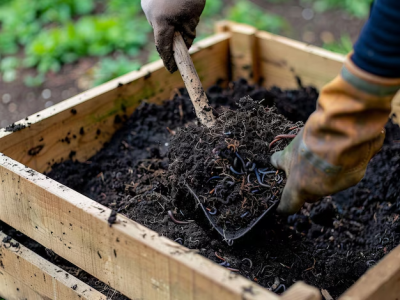
Assess your compost and turn or water it as needed so it’s ready for use in spring.
Continue to avoid watering unless conditions are dry and unusually hot. With average rainfall, neither native plants nor high-water-use areas like lawns need supplemental irrigation.
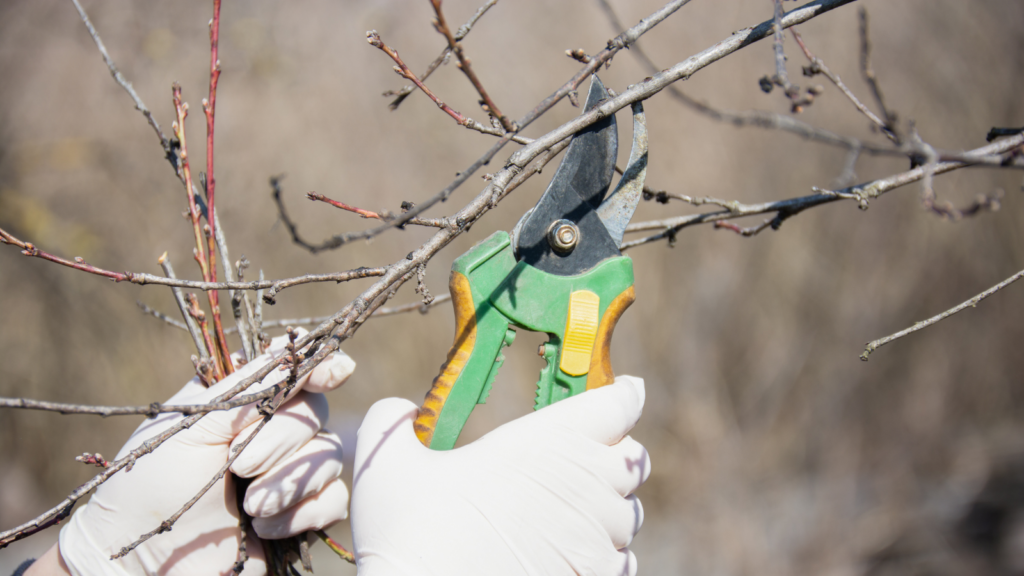
It’s time to begin pruning perennials, but always let temperature be your guide rather than the calendar—Valentine’s Day is a common benchmark.
Waiting for warmer conditions ensures pollinators have time to emerge from their winter cover or “hatch” before cleanup begins.
Cut all dead or brown above-ground growth down to a few inches above the soil and add the material to your compost pile.
Remove leaves from garden beds and compost them, or mulch them with a mower and return them to the beds. Finish by placing native hardwood mulch to prepare for spring and prune evergreens as needed.
March
Spring has arrived!
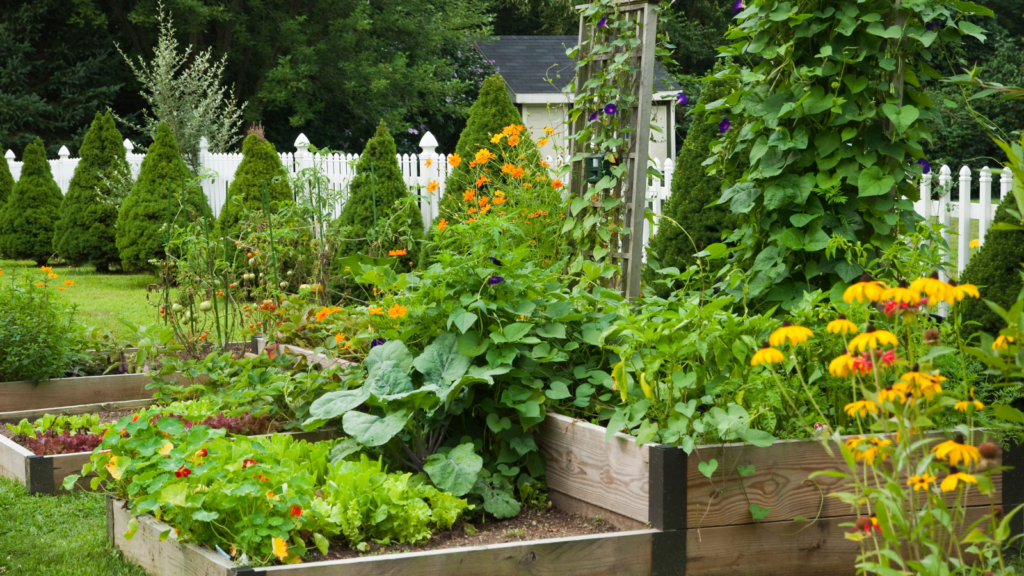
Harvest any remaining winter vegetables and clear the beds to make way for spring crops.
Add finished compost and till it into the soil.
Plant vegetable seedlings if freezing is unlikely. You can extend the growing season by covering plants a few times as needed, though there’s always some risk when doing so.
Remove any remaining leaves or old plant material and add them to your compost pile. Turn the pile after taking what you need for your garden beds.
After planting vegetables, mulch the beds and water deeply.
Bring out any plants that have been wintering indoors if temperatures are safe.
Watering is generally not needed unless you’ve just planted new plants, added mulch, experienced no rain, or it’s very warm.
With average rainfall, neither native plants nor high-water-use areas like lawns need extra water.
Without rainfall, native plants may need about 0.3 inches per week, while lawns and other high-water-use plants may require around 0.7 inches per week.
April
Begin planting native perennials as spring progresses, keeping in mind that some may not be available until May plant sales.
Sow seeds for fall wildflowers.
Plant vegetables that were delayed by cold March weather, and be sure to water and fertilize vegetables using organic methods to support healthy growth.
Watering is usually unnecessary unless you’re establishing new plants or mulch, rainfall is lacking, or temperatures are unusually warm.
With average rainfall, native plants typically need no supplemental water, while high-water-use areas like lawns may need about 0.2 inches per week.
Without rainfall, native plants may require around 0.4 inches per week, and lawns and other high-water-use plants about 0.9 inches per week.
Measure sprinkler output and coverage, especially if changes were made over the winter.
Calculating output and ideal watering times now will prepare you for the summer watering season, and addressing any uneven coverage early will help ensure efficient, healthy watering later on.
Calculating Your Output
Method 1:
Turn off everything that uses water in your house
Note the read on your meter
If your meter is running when everything is off – you have a leak!
Run whole system or each zone
Note new read on your meter
Subtract the two reads
This will result in overall water use in gallons. Divide by time to get gallons per minute.
Method 2:
Put out catch cans – must be flat bottom and straight sides
Run each zone for a set amount of time and measure output in each can with a ruler
If the amount in each can is very different for a single zone, coverage is uneven
Average inches for each zone – will be different for different sprinkler head types
Divide by time to get inches per minute
Multiply by size of area to get cubic inches of water (1 sq ft = 144 square inches)
Multiply cubic inches by 0.004329 to get gallons
This will result in inches and gallons. Best method to know how to set sprinkler controller.
May
Enjoy the spring blooms and pleasant weather before the summer heat arrives.
Plant later-season vegetables, keep crops well-watered, and use organic fertilizer if needed.
Begin harvesting some vegetables, continue seeding for fall wildflowers, and deadhead flowers to extend their bloom time.
Begin watering only as needed based on rainfall and temperature.
With average rainfall, neither native plants nor high-water-use areas like lawns require supplemental irrigation.
Without rainfall, native plants may need about 0.45 inches of water per week, while lawns and other high-water-use plants may require around 1 inch per week.
As temperatures rise, it’s important to start watering at night to reduce water loss and stress on plants.
June
Harvest spring vegetables as they become ready, keeping in mind that some crops may stop producing once temperatures get too hot.
Plan for fall vegetable gardening by creating new designs and purchasing seeds so you’re ready for the next growing season.
Weekly watering will likely begin around this time.
With average rainfall, native plants typically do not need supplemental water, while high-water-use areas like lawns may need about 0.45 inches per week.
Without rainfall, native plants may require around 0.5 inches per week, and lawns and other high-water-use plants about 1 inch per week.
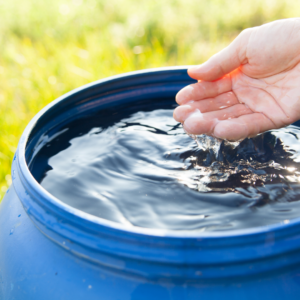
Use collected rainwater from rain barrels whenever possible.
Keep water available for birds, pollinators, and other wildlife, and check it often since it will evaporate quickly.
Keep water fresh and clean, and prevent mosquitoes from breeding by emptying, refreshing, or moving water frequently.
Begin solarizing if you’re removing turf to prepare for fall planting.
Continue deadheading perennials to encourage continued blooms, and in most cases, it’s best to stop planting new plants as summer heat sets in.
Solarizing Methods
Method 1: Cardboard Lasagna
Lay down cardboard in layers
No tape, dye, etc.
Soak each layer with water
Weigh down with rocks
Method 2: Mulch
THICK layer of mulch
Water in
Method 3: Plastic Sheet
Water area
Cover in thick plastic, clear sheet
Pin down on sides
July
Harvest seeds from spring blooms, then remove spent spring wildflowers and annuals.
Finish planning for fall gardening by deciding on changes, replacements, and any tree planting.
Prepare for fall vegetable gardening by working backward from harvest time and begin sprouting seeds as needed.
It’s time to start weekly watering.
With average rainfall, native plants may need about 0.1 inches per week, while high-water-use areas like lawns may require around 0.8 inches.
Without rainfall, native plants may need 0.55 inches per week, and lawns and other high-water-use plants about 1 inch per week.
August
Begin sprouting seeds for your fall vegetable garden if you haven’t already
Start prepping beds by adding compost.
Remove any dead spring vegetables, though some crops can be kept and may carry over for the next season.
Continue weekly watering at night, ensuring cycles soak the soil thoroughly and monitoring your system for efficiency.
With average rainfall, native plants may need about 0.1 inches per week, while high-water-use areas like lawns may require 0.8 inches.
Without rainfall, native plants need around 0.55 inches per week, and lawns and other high-water-use plants about 1 inch.
Optional pruning of native plants can be done to remove dead spring growth and tidy up the garden.
Add the pruned material to your compost pile and turn and water the compost as needed to keep it active and healthy.
September
Check your mulch—if it has broken down, add more to prepare for fall.
Sow seeds for spring wildflowers and plant fall vegetable seedlings, depending on temperatures.
Water in new plants and apply organic fertilizer if needed.
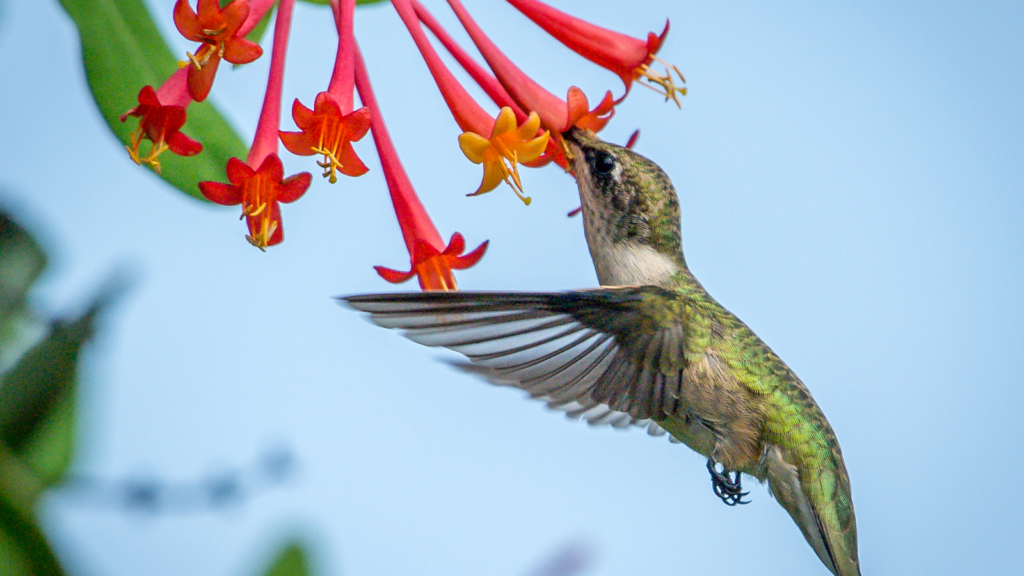
Put out hummingbird feeders, making sure the nectar is fresh and plentiful.
Monitor temperatures as they may begin to cool, though some days can still be as hot as August.
Adjust watering if rainfall increases or temperatures drop.
With average rainfall, native plants typically need no supplemental water, while high-water-use areas like lawns may require about 0.25 inches per week.
Without rainfall, native plants may need around 0.4 inches per week, and lawns about 0.9 inches per week.
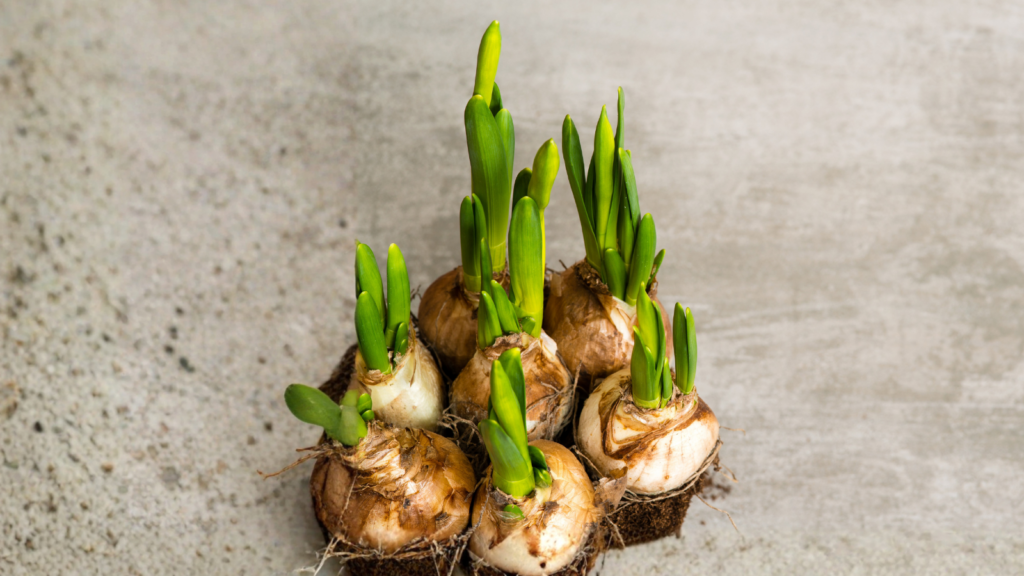
Purchase bulbs, but don’t plant them yet. To overwinter, store them in the refrigerator or, for some types, wrapped in newspaper in a cool garage, as they need cold temperatures.
If you have bulbs from previous years, dig them up now for storage, and plan to plant them again in January or February.
October
Plant native plants!
If you solarized beds over the summer, remove the covers and start planting.
Attend fall native plant sales, sow seeds for spring wildflowers, continue watering fall vegetables, and begin planning for winter vegetable crops.
Reduce watering significantly.
With average rainfall, neither native plants nor high-water-use areas like lawns need extra water.
November
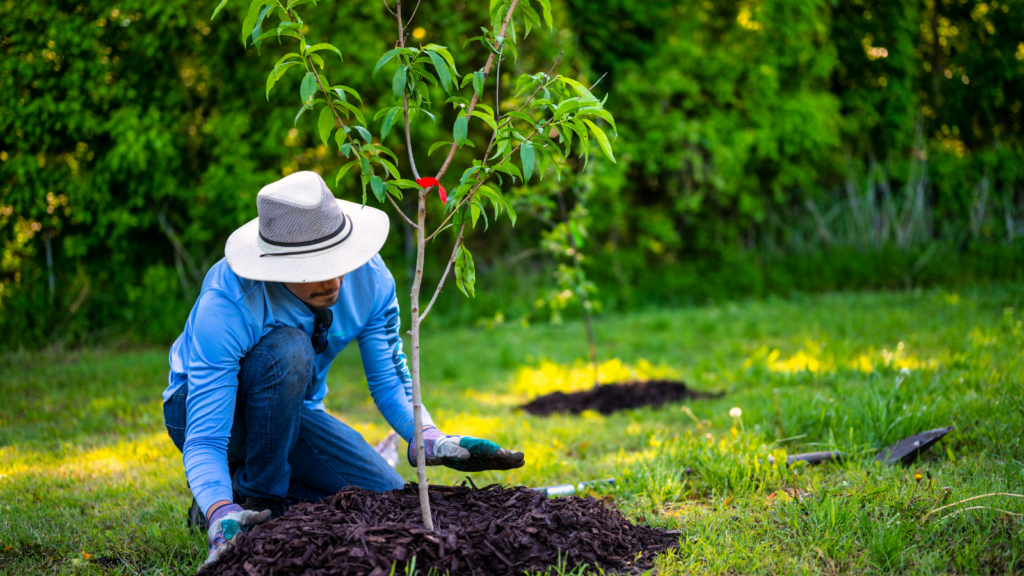
Plant trees, with Texas Arbor Day on November 7.
Harvest fall vegetables and start preparing for winter vegetable gardening.
Remove fall plants once they’ve finished producing or when temperatures drop too low.
Many winter vegetables can be direct-sown into the garden for best results.
Begin monitoring for the first frost.
Turn off irrigation.
With average rainfall, neither native plants nor high-water-use areas like lawns need supplemental water.
As leaves begin to fall, leave them on the ground—they act as natural mulch.
Above-ground perennial vegetation may start to die back depending on temperatures, but do not prune it; let it remain for winter protection.
Bring in or winterize any freeze-sensitive plants to protect them from cold damage.
December