North Texas winters are known for their unpredictability, making seasonal maintenance essential for long-term plant health. A bit of seasonal care helps landscapes stay strong and healthy throughout the winter and bounce back in the spring.
The winters here may be mild compared to other regions, but our sudden freezes and dry spells can still take a toll on your landscape. Whether you are a home gardener or managing a large landscape, understanding how to protect your plants during colder months can prevent stress and damage.
Choosing your Plants
A winter garden is exactly what it sounds like – a garden designed to grow vegetables, herbs and flowers during the cooler months. Selecting the right plants is the first step in setting up your garden for winter success. Prioritizing hardy, climate-appropriate plants reduces stress and prevents cold-related damage.
Planting Texas Natives is one of the smartest choices you can make for your landscape. They are drought-tolerant, support local wildlife, and deliver beauty that is perfectly built for our climate.
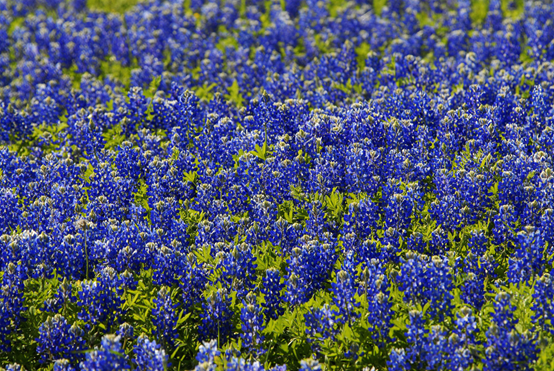
Bluebonnet (Lupinus texensis): The state flower of Texas, Bluebonnets are hardy and can survive the cooler temperatures of winter.
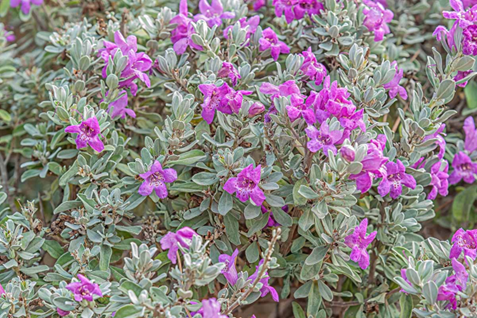
Texas Sage (Leucophyllum frutescens): This drought-tolerant shrub thrives in well-drained soil and can withstand the winter chill, making it a great addition to winter gardens.
Blackfoot Daisy (Melampodium leucanthum): A perennial that is resilient and can bloom throughout the winter months. It is also drought-resistant and attracts butterflies.
Lindheimer Muhly (Muhlenbergia lindheimeri): This ornamental grass is drought-tolerant and can survive in various soil types.
Tip: Choosing Texas Natives will save you time and money when it comes to plant maintenance.
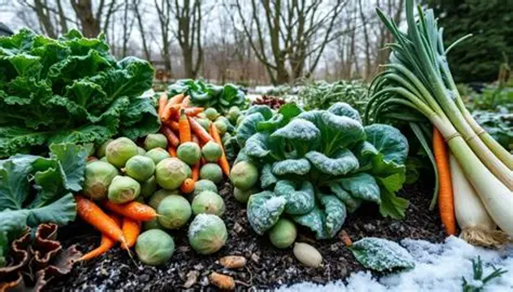
Winter is one of the best growing seasons for vegetables in our area. With the right selections, your garden can stay productive all season long.
Leafy Greens: Lettuce, spinach, kale, collards and mustard greens are very cold-tolerant and can survive a light frost.
Root Vegetables: Carrots, potatoes, parsnips, rutabagas and beets are a great choice for a winter garden.
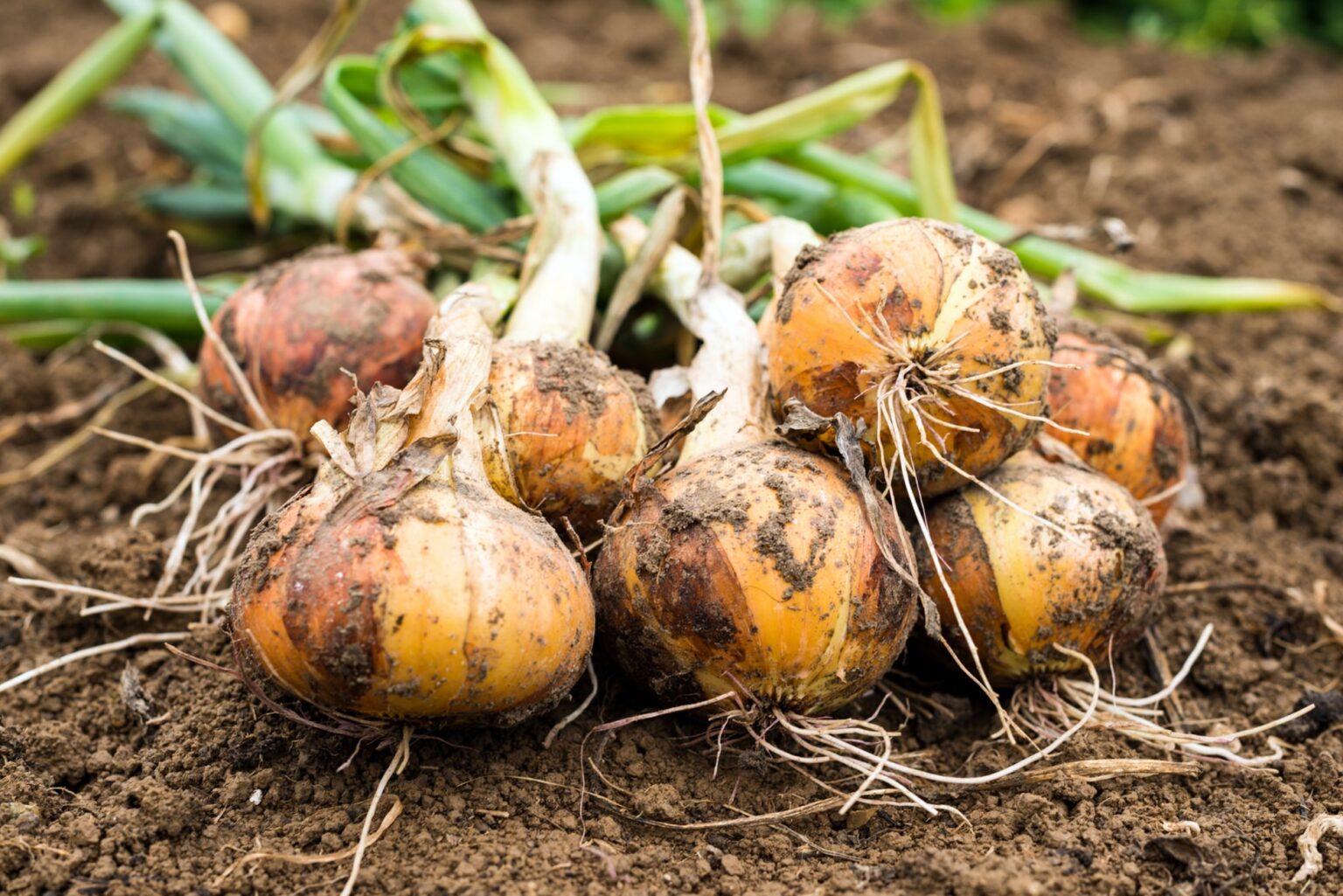
Alliums: Bulb-rooted and often fragrant, cold-loving alliums include onions, scallions, garlic, leeks and shallots.
Cruciferous Vegetables: Broccoli, cauliflower, cabbage, Brussels sprouts, radishes, bok choy and other hardy vegetables can thrive in moderate cold and are packed with vitamins, minerals and antioxidants.
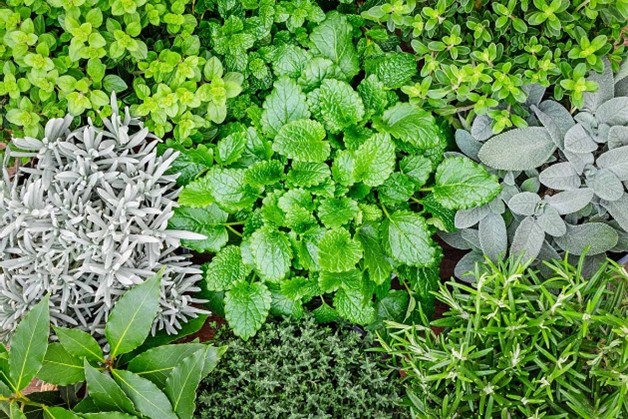
Several herbs do not mind the cold and actually thrive during this time of year. With minimal care, they keep producing fresh flavor all season long.
Rosemary: This aromatic herb thrives in Texas winters and can be used fresh or dried in various savory dishes.
Thyme: Preferring cooler temperatures, thyme is ideal for soups and pairs well with rosemary in culinary applications.
Sage: With its soft-green, velvety leaves, sage is both visually appealing and a staple in holiday cooking.
Cilantro: This herb tolerates colder temperatures and is a staple in various cuisines.
Mint: Varieties like peppermint and spearmint are frost-tolerant and can be used fresh in teas or other dishes.
Preparing the Garden
A little garden prep goes a long way and makes a big difference in how your garden handles a cold snap. A few quick steps now can prevent damage and keep plants thriving come springtime.
Composting
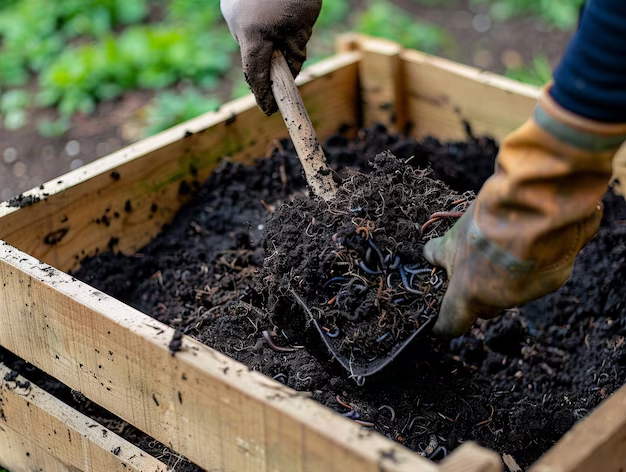
Winter is a great time to let nutrients soak into the ground so that when spring rolls around, your soil is healthy and nutrient-rich from months of decomposition.
Add around 3 inches of compost to your beds. Over time, the compost will decompose into crucial nutrients in the soil, making springtime gardening a breeze.
Mulching
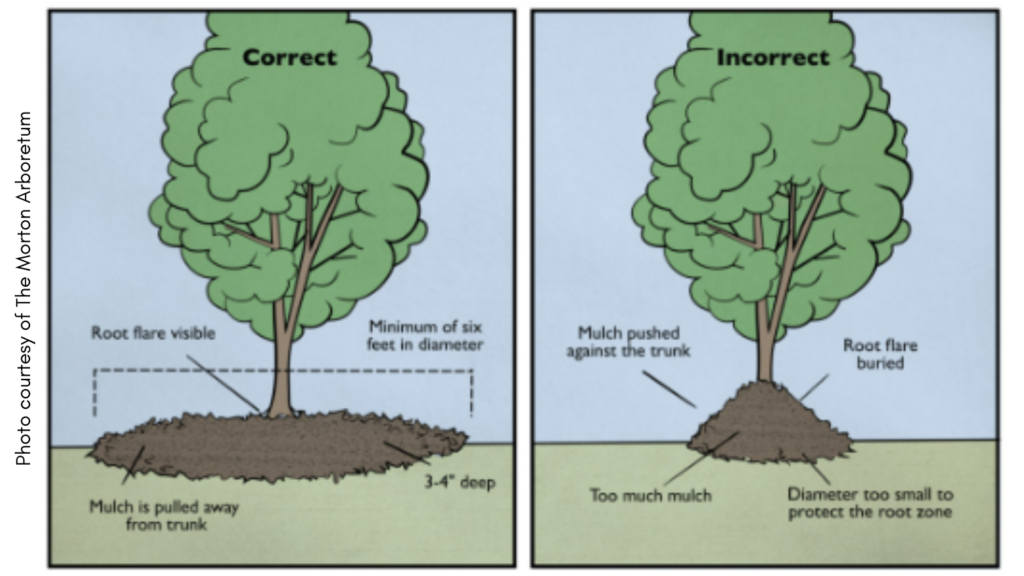
Apply mulch around your plants to help retain moisture and regulate soil temperature, which is beneficial during the winter months.
A thick layer of mulch around the base of plants helps insulate the soil, protecting roots from freezing.
Make sure the mulch is down before the first hard freeze in your area.
Tip: Do not push the mulch against the base of your plants. Piling mulch too close to the base can cause rotting.
Tool Maintenance
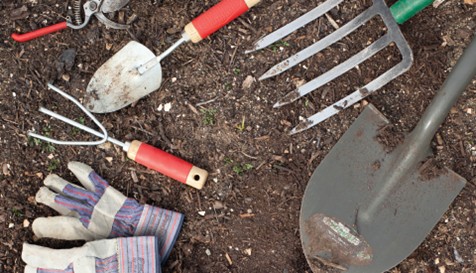
Winter is a great time to clean tools, sharpen blades, and perform routine maintenance.
It gives gardeners time to repair and replace tools they don’t immediately need. It might also be a good time to put some tools and products away for the winter.
Leave the Leaves
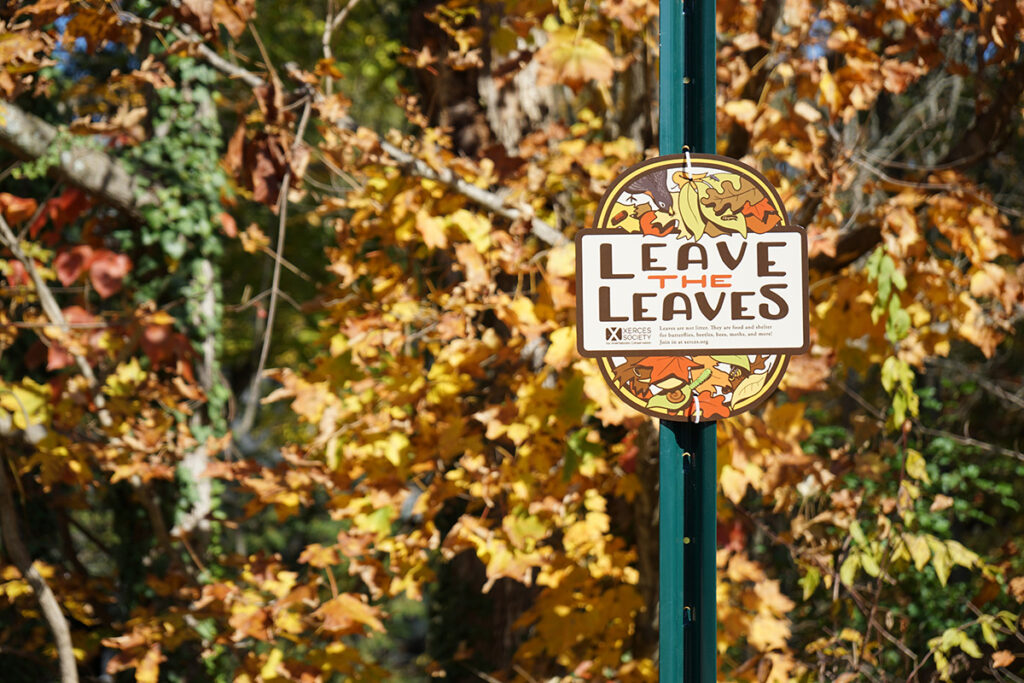
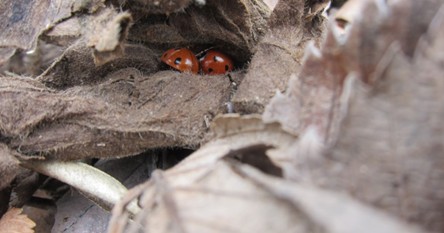
Pollinator Protection: Many native bees, moths, butterflies and other pollinators overwinter in leaf litter.
Soil Magic: As leaves break down, they naturally feed the soil and improve quality – no fertilizer needed.
Moisture Retention: Leaf layers act like mulch, helping soil stay moist, reducing watering needs and protect plant roots from a freeze.
Pruning
When pruning native perennials, it is best to leave the vegetation on until mid-February, as pollinators are using the dead vegetation for winter shelter.
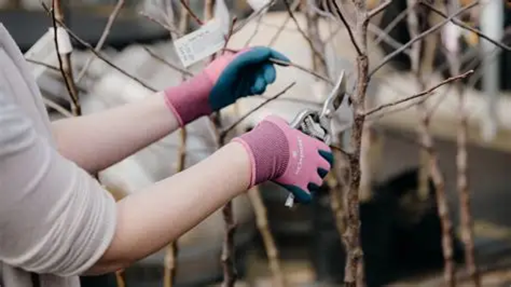
Regularly prune dead or damaged foliage to promote healthy growth and prevent disease.
Remove dead limbs and overlapping branches on trees.
Remove dead or unwanted plants.
Freezing Temperatures
North Texas can experience freezing temperatures that can stress or damage your plants. Simple protections keep plants safe until warmer weather returns.
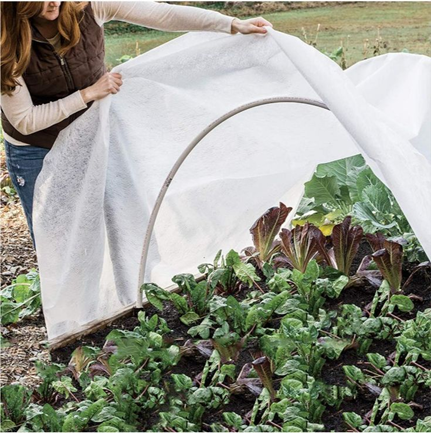
Use Covers: Lightweight fabric or row covers act as insulation, shielding plants from freezing temperatures. For extra protection, wrap small shrubs or sensitive plants with frost blankets or burlap to protect from the cold.
Bring Containers Indoors: If you have potted plants, move them indoors or to a sheltered area to prevent frost damage during a hard freeze.
Wind Protection: Cold winds can have a huge impact on your plants. Use temporary wind breaks such as a fence or screen to shield exposed plants.
Tip: By covering your plants during a freeze, you can extend the growing period of your plants.
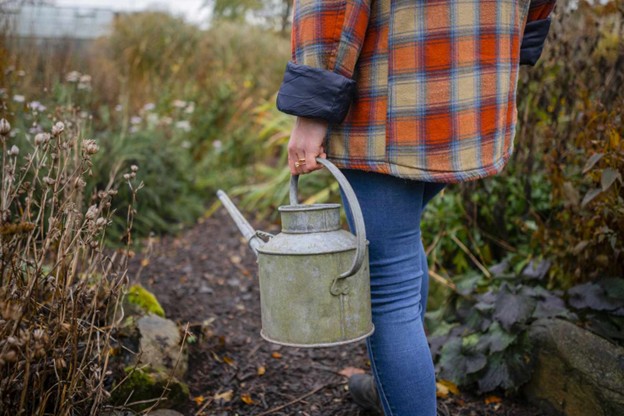
Water Smartly: Because cooler temperatures reduce evaporation, it is important to cut back on the frequency and amount of watering.
Avoid getting water on plants and only water the soil before a freeze. Frozen water can harm the plant itself, but moist soils will insulate plant roots from freezing temperatures
Make sure to still water plants that are dormant during the winter. They won’t need as much as during the growing season, but their roots still need a bit of water.
Tip: Turn off your sprinkler system for the winter. Leaving your system on can cause hazardous conditions and damage to your landscape.
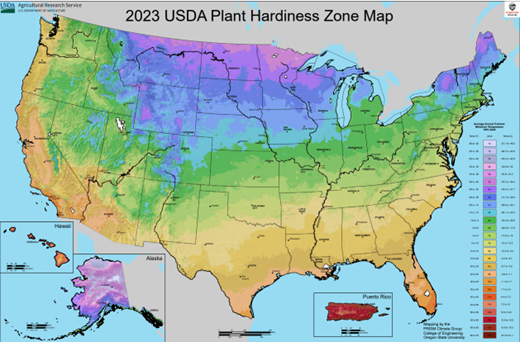
Know Your Zone