Skip to Content

Gardening on a Budget

Gardening on a Budget

Gardening on a budget is easier than you think! With a little creativity and some smart strategies, you can grow a healthy, productive garden without spending a fortune. This guide will show you practical tips and ideas to help you grow more while spending less.

Where to Get Plants

Seed libraries are a hidden gem for budget gardeners. You check out seeds, grow them, and are encouraged to save seeds to return later. Often located in public libraries or community centers, they typically offer free seasonal vegetable, herb, and flower seeds.


Propagation is one of the easiest ways to grow your garden for free. By taking cuttings or dividing mature plants you can create new plants from ones you already have.

Plant swaps are fun, social, and budget friendly. Gardeners trade plants, cuttings, or seeds for usually free. They are often hosted by local garden clubs, online groups, or the Native Plant Society. 


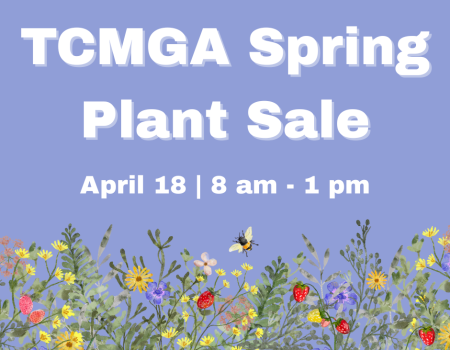
Plant sales hosted by garden clubs, nonprofits, and local organizations are another great option and usually offer lower prices than retail stores.

Spring 2026 Plant Sale – TCMGA 

Spring Plant Sale 2026 – Native Plant Society of Texas


Free events and giveaways are commonly offered through city programs, conservation groups, or seasonal celebrations like Earth Day. Many provide free plants or seed packets along with helpful gardening resources. 

Subscribe to the Save Tarrant Water Newsletter to be among the first to know about free plant giveaways. 

Building Your Garden

Recycled materials are a great option for building raised beds or garden borders. Old pallets, leftover lumber, or reclaimed boards can often be repurposed into planting spaces. Just make sure the wood hasn’t been treated with harmful chemicals before using it around edible plants.


Buckets and tubs can easily become container gardens. Food-grade buckets, storage bins, or large plastic totes can work well as long as you drill drainage holes. They’re perfect for vegetables, herbs, and even small fruit plants.

Filling raised beds with debris is a smart way to save on soil costs. Instead of filling the entire bed with purchased soil, you can layer sticks, leaves, grass clippings, and other yard waste at the bottom. This method reduces the amount of soil needed and breaks down over time to improve your bed.


Composting is an easy way to turn kitchen scraps and yard waste into rich, free soil for your garden. Over time, this nutrient-rich material can be mixed into your beds to improve soil, retain moisture, and reduce the need for store-bought fertilizers.

Utilize Free Resources

Free gardening classes and workshops are often offered through garden centers, nonprofits, libraries, and community programs. These classes can teach you everything from seed starting to irrigation basics.

Upcoming Events – Save Tarrant Water


Online resources and videos provide expert guidance at no cost. Many organizations share how-to videos, planting guides, and seasonal tips that you can revisit anytime.

Sustainability Blog – Save Tarrant Water 

Community gardening groups and social media pages are great places to ask questions, share extra plants, and learn from experienced gardeners. These groups often post about plant swaps, giveaways, and local events. 


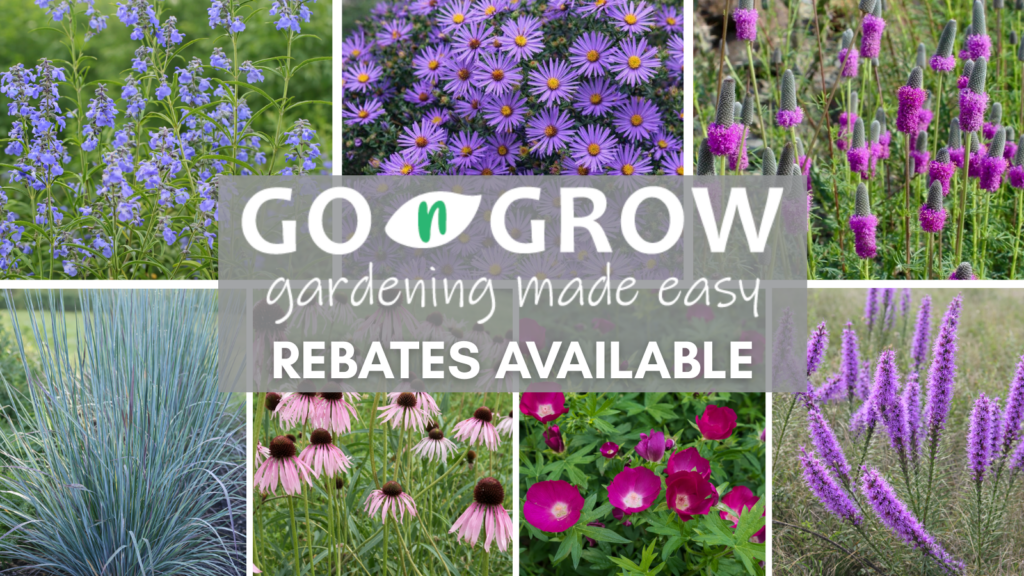
City programs and rebates can also offset gardening costs. Some cities offer rebates for water-efficient upgrades, turf replacement, or attending educational classes. 

Native Texas Landscape Incentive Program – Save Tarrant Water

Saving Water = Saving Money

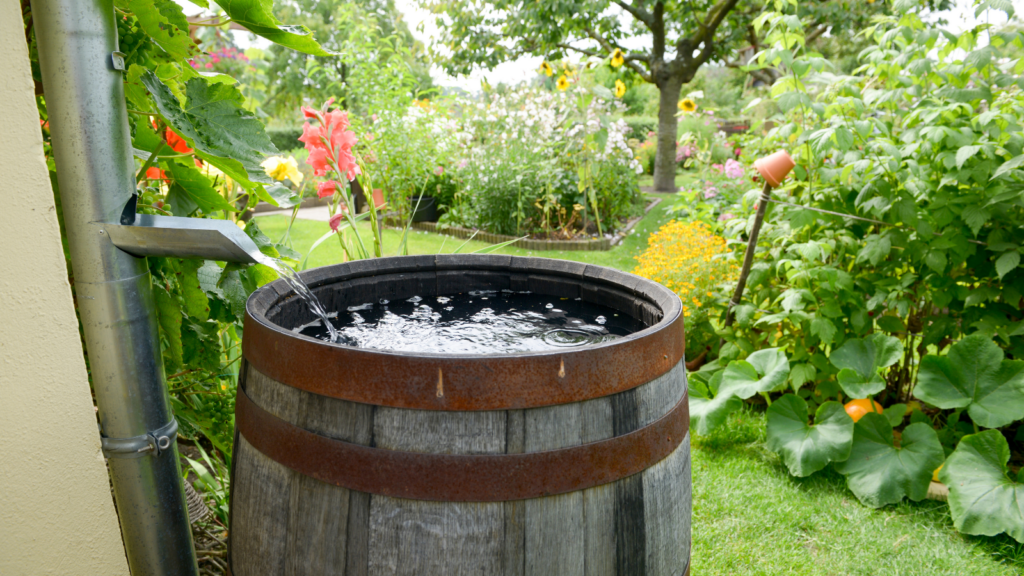
Rainwater harvesting lets you collect and store rain for your garden. It’s a simple way to save water and reduce your irrigation costs.

DIY Rainwater Harvesting – Save Tarrant Water


Native plants naturally require less watering once established. Choosing plants adapted to your region reduces the need for constant irrigation to lower costs.

Native Plants for North Central Texas – YouTube

Fix leaks quickly to prevent water loss that can increase your utility bills. Small repairs go a long way toward saving water and reducing costs.

Sprinkler evaluations check for leaks, misaligned heads, and uneven coverage. Fixing these issues can save water and lower your bill.


Weekly watering advice takes the guesswork out of irrigation. Adjusting watering amounts based on weather conditions prevents overwatering and can significantly reduce water use and the bill that comes with it.

Resources

Share on facebook
Facebook
Share on google
Google+
Share on twitter
Twitter
Share on linkedin
LinkedIn
Share on pinterest
Pinterest