Wildlife is important because they aid in plant reproduction. They help produce our favorite fruits and vegetables, provide beneficial ecosystem services, and help maintain local ecosystems.
When planning a wildlife-friendly garden, it helps to start with a simple question: what type of wildlife do you hope to attract? Different plants and features will bring in different visitors, so it is important to know what to add to attract the wildlife you want.
Butterflies
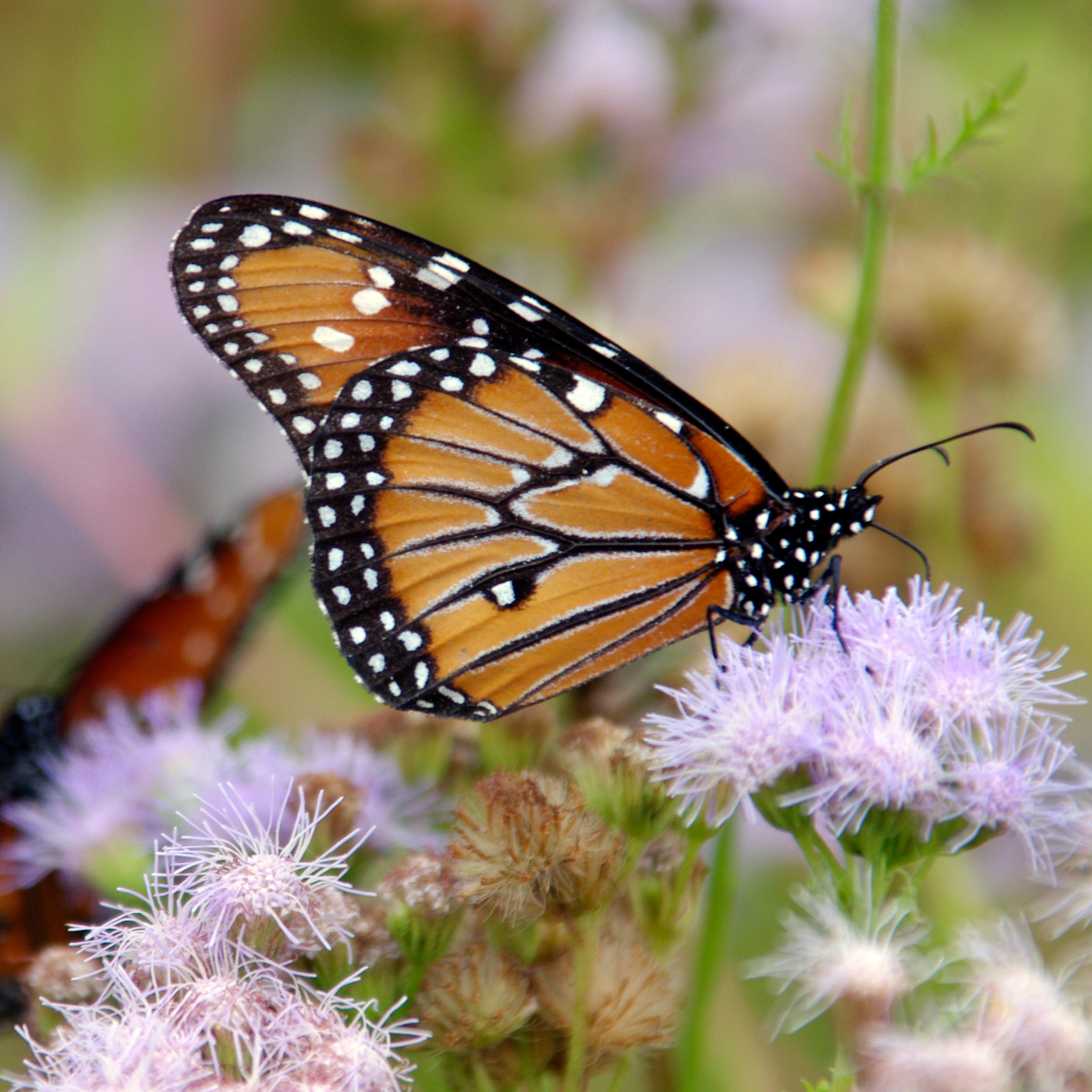
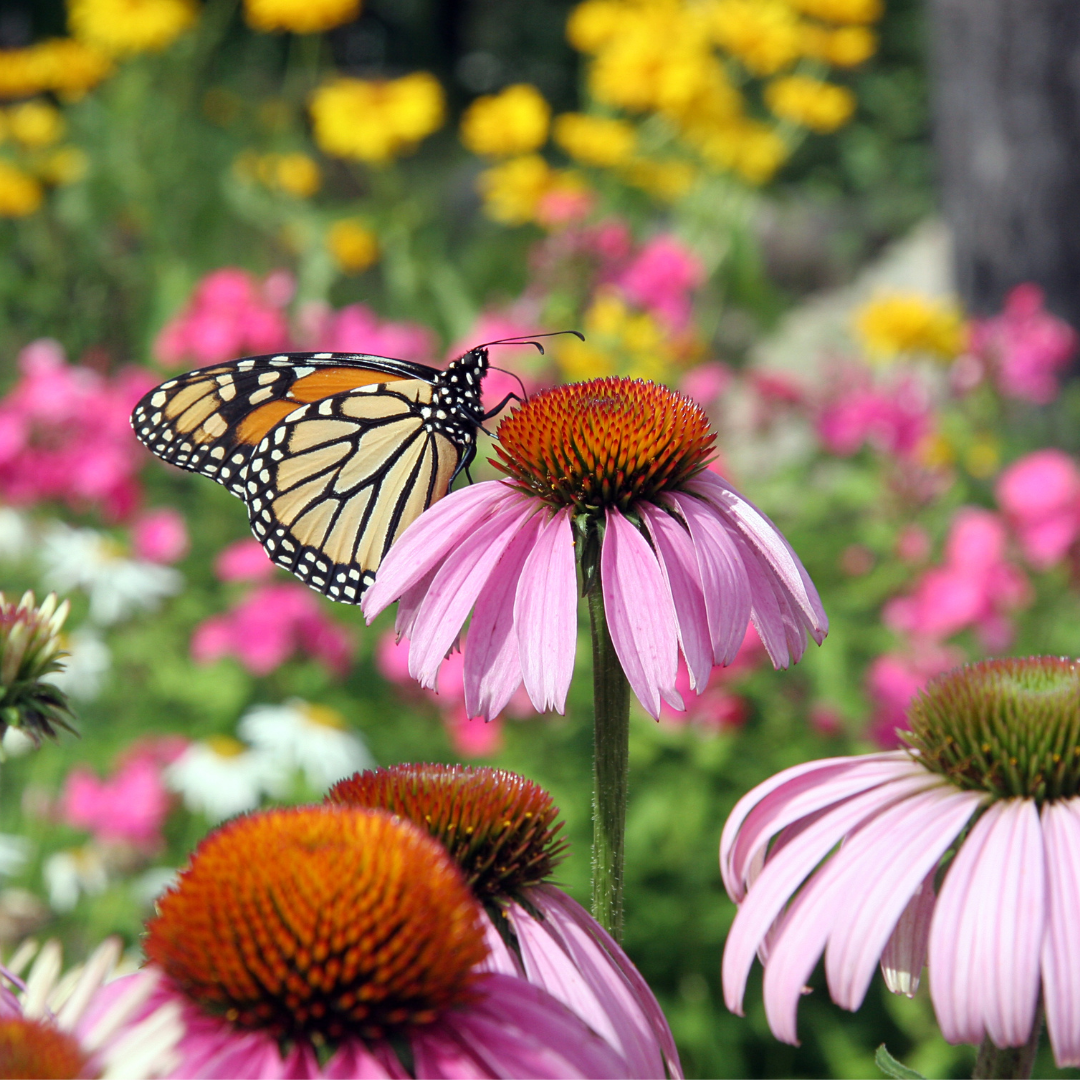
Attracting butterflies to your yard adds more than just color and movement—it supports pollination, strengthens our local ecosystem, and helps sustain species like monarchs that rely on home gardens to survive.
For attracting butterflies, look for plants with:
Bright colors such as red, orange, yellow, pink, and purple, which are highly attractive
Flower shapes like flat-topped clusters or wide landing pads that make it easy for them to land and feed
A light, sweet scent that helps draw them in and signals a good nectar source
For attracting butterflies beyond just plants, consider adding:
Fruit feeders with overripe fruit like oranges, bananas, or melons to provide extra sugars and attract butterflies
Shallow water sources such as a birdbath with stones
Shelter from wind using shrubs, fences, or tall grasses to give them safe places to rest and feed
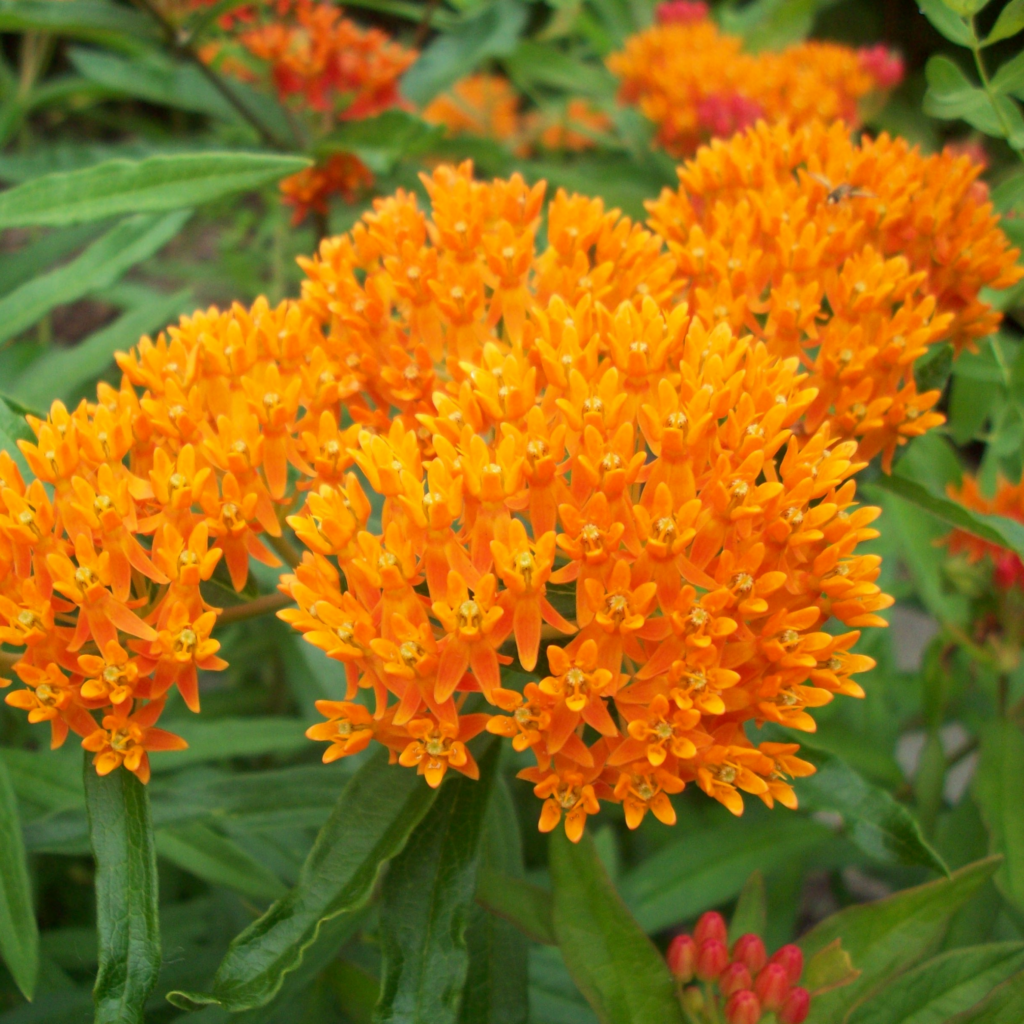
Monarch caterpillars rely entirely on milkweed to grow and reproduce, so including it in your garden helps turn your space into a true butterfly habitat.
Milkweeds for Monarchs:
Green milkweed (Asclepias viridis)
Antelope horns (Asclepias asperula)
Zizotes (Asclepias oenotheroides)
Butterfly milkweed (Asclepias tuberosa)
Fennel – host plant for Swallowtail caterpillars
Passion Vine – host plant for Gulf Fritillary caterpillars
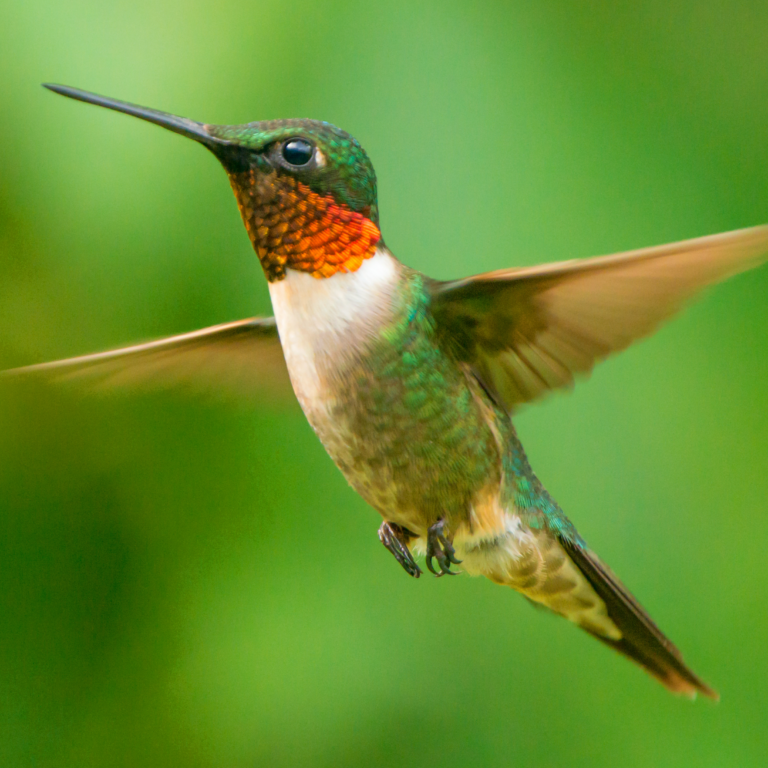
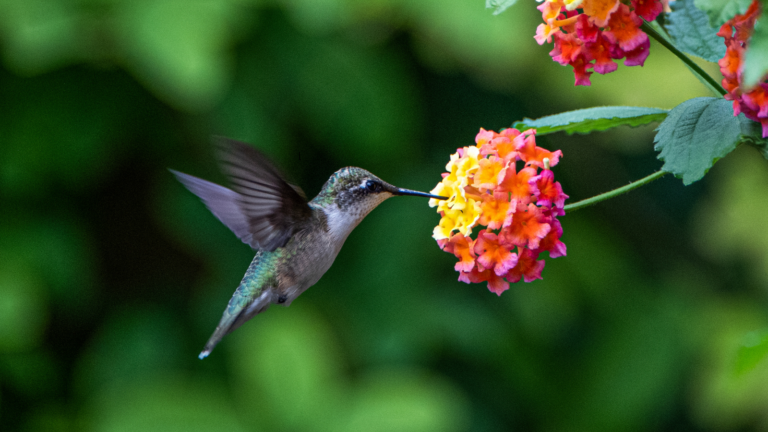
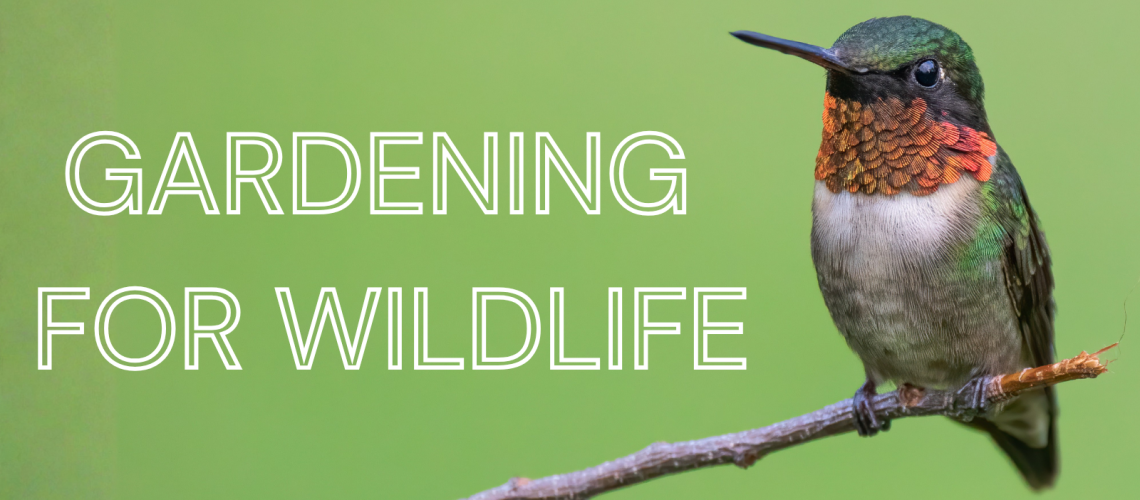
Attracting hummingbirds to your yard adds movement, color, and liveliness to your outdoor space. By creating a welcoming habitat, you can help support these unique birds while enjoying their activity up close.
For attracting hummingbirds, look for plants with:
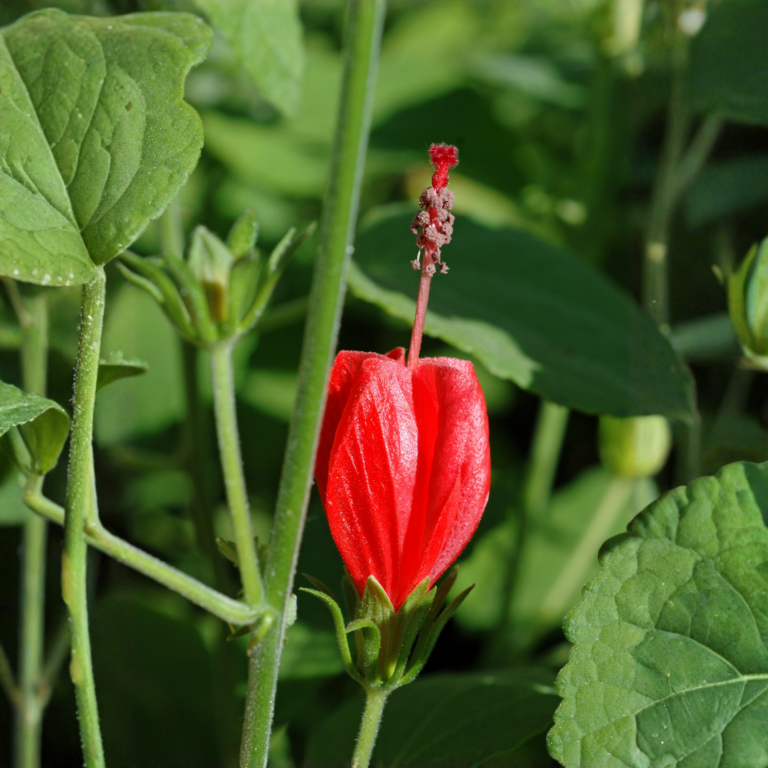
Bright colors like red, orange, and pink
Flower shapes with long, tubular blooms that match their specialized beaks and allow easy access to nectar
Little to no scent, since hummingbirds rely more on sight than smell when locating flowers
To support hummingbirds beyond plants, consider adding:
Nectar feeders filled with a simple sugar-water solution to provide a supplemental food source
Perches and small resting spots like thin branches, wires, or garden structures where they can rest
Shallow water features such as bird baths or fountains for bathing and hydration
Sheltered areas using shrubs or trees to give them safe places to nest and escape wind or predators
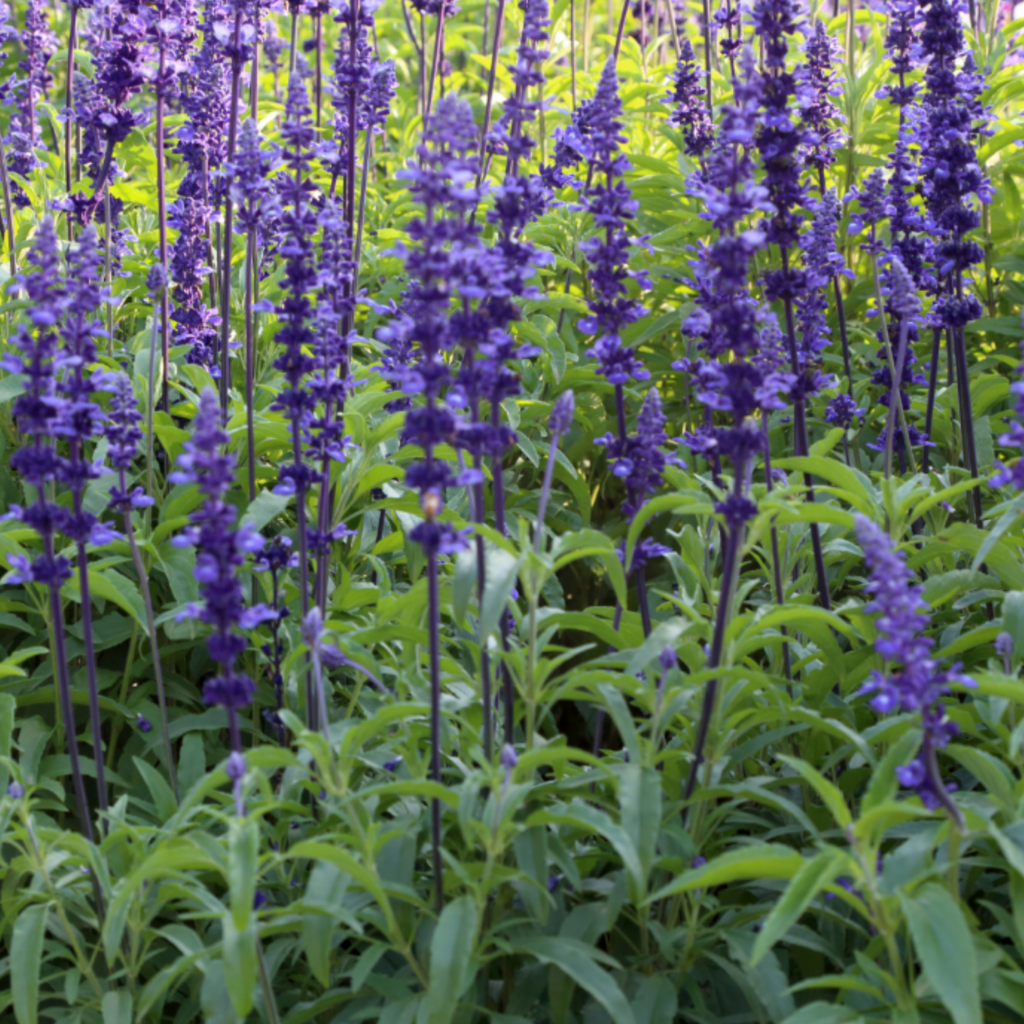
Mealy Blue Sage, Cross Vine, Coral Honeysuckle, Lyre-leaf Sage
Bees
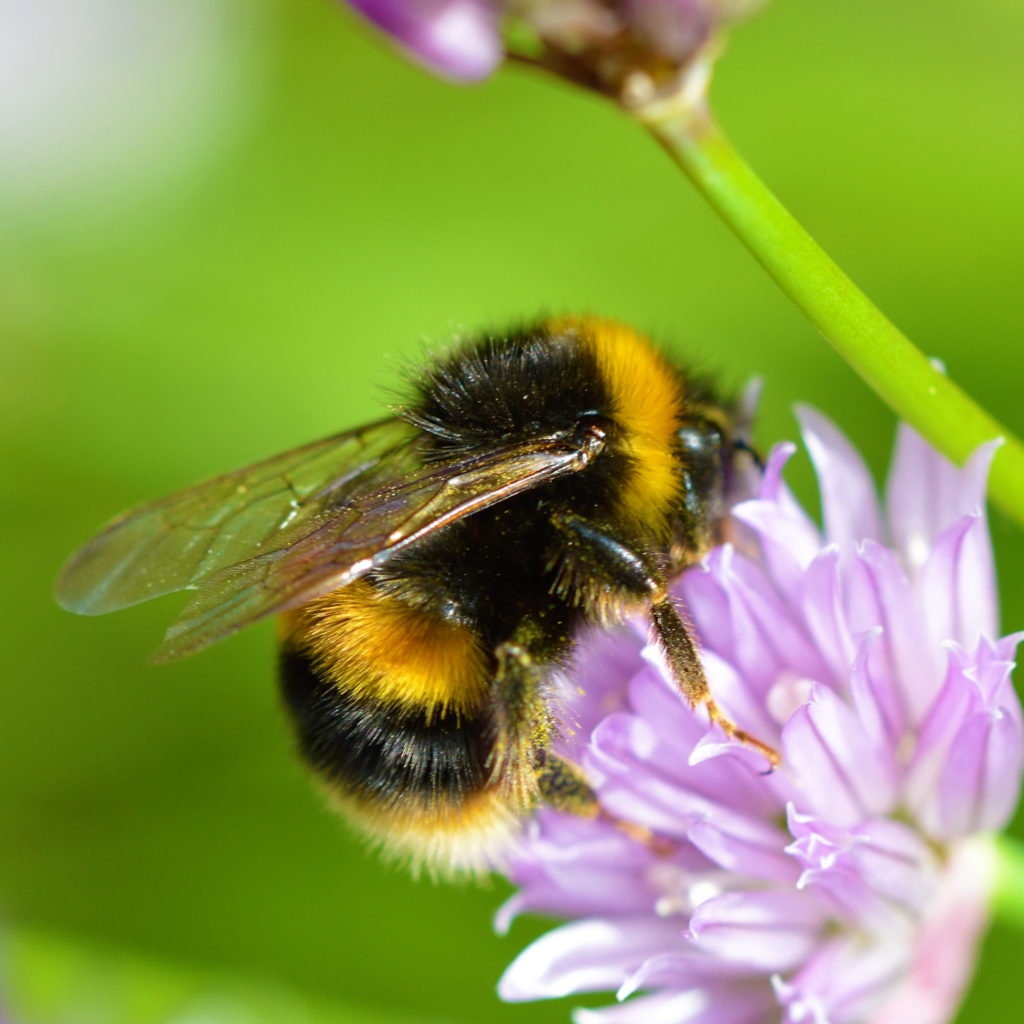
Attracting bees to your yard helps support a healthy, thriving ecosystem right at home. By creating a space that welcomes them, you’re contributing to pollination and encouraging stronger plant growth throughout your garden.
For attracting bees, look for plants with:
Colors like blue, purple, yellow, and white, which are especially visible and attractive to bees
Flower shapes that are open, tubular, or clustered, making nectar and pollen easy to access
A mild, sweet scent that helps guide bees to reliable food sources
Shallow water sources like a birdbath with pebbles or a small dish so bees can safely drink
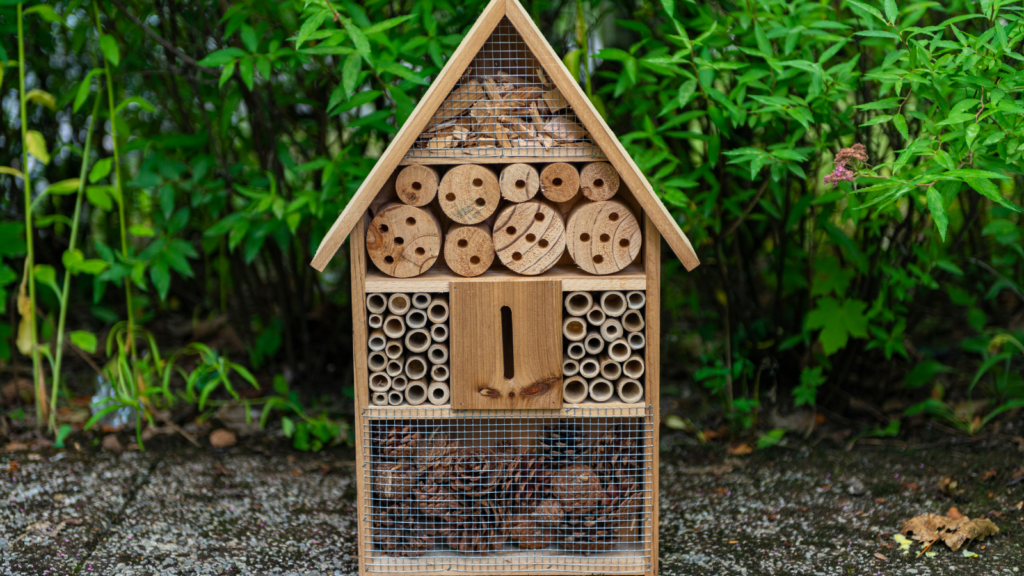
Bee hotels or nesting habitats for solitary bees, made with natural materials like hollow stems or drilled wood
Continuous blooming areas so there’s always a food source available from early spring through fall
Recommended Native Plants
Mealy Blue Sage, Black and Purple Prairie Clover, Texas Sage, Zexmenia, Purple Coneflower, Penstemon, Autumn Sage, White Guara, Bee Balm, Mistflower, Texas Mountain Laurel, Texas Lantana, Redbud, Fall Aster, Horsemint
Birds
Attracting birds to your yard brings natural beauty, sound, and movement to your outdoor space throughout the year. It also supports local ecosystems by providing food, shelter, and safe habitat for a wide variety of species.
For attracting birds, look for plants with:
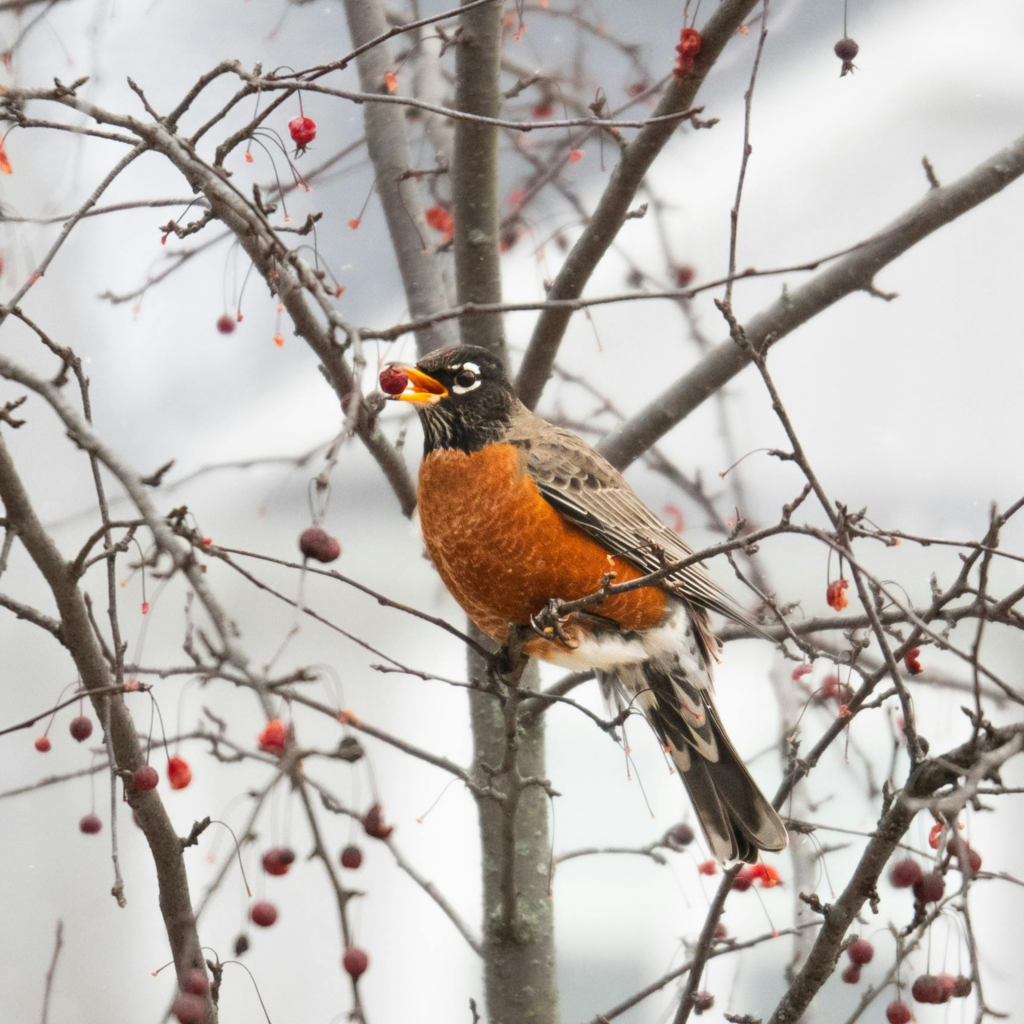
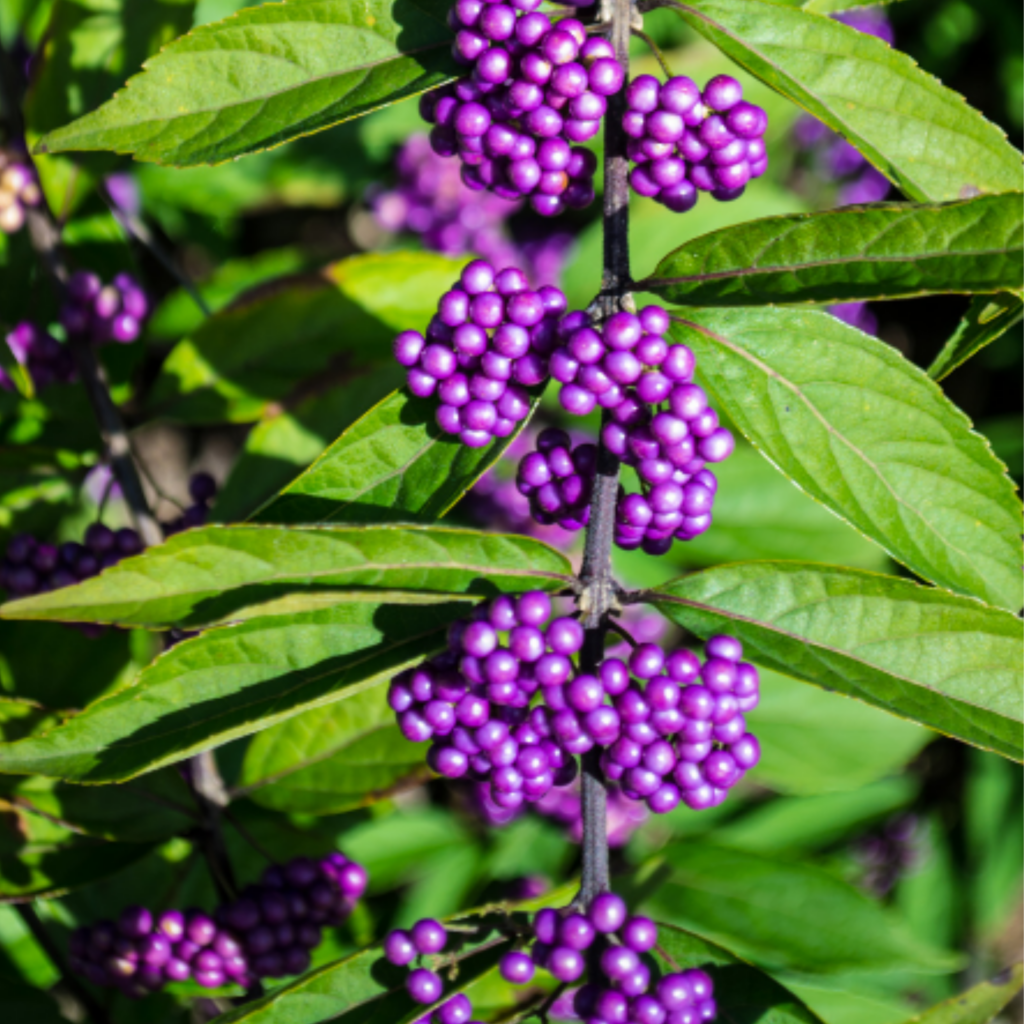
Colors like red, purple, and black fruits that signal ripe food sources birds recognize
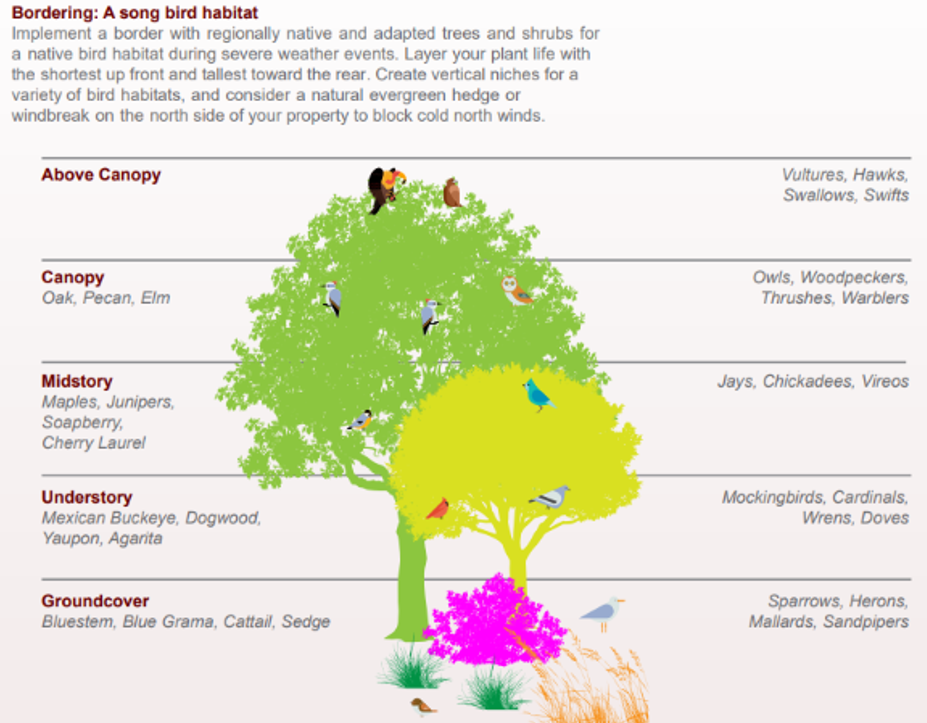
Plant types such as native grasses, shrubs, and seed or berry-producing flowers that provide both food and structure
Natural food sources including seeds, berries, and the insects that many birds rely on, especially during nesting season
To support birds beyond plants, consider adding:
Supplemental bird feeders stocked with seed
Fresh water sources such as birdbaths or small fountains for drinking and bathing
Bird houses to provide safe places to rest and lay eggs
Brush piles or natural debris to create additional shelter and foraging areas
Dense growth from shrubs or trees that offer safe shelter, nesting spots, and protection from predators