Skip to Content

Working With Your HOA

1

A Guide to Water Conservation and Native Plant Landscaping in Your Community

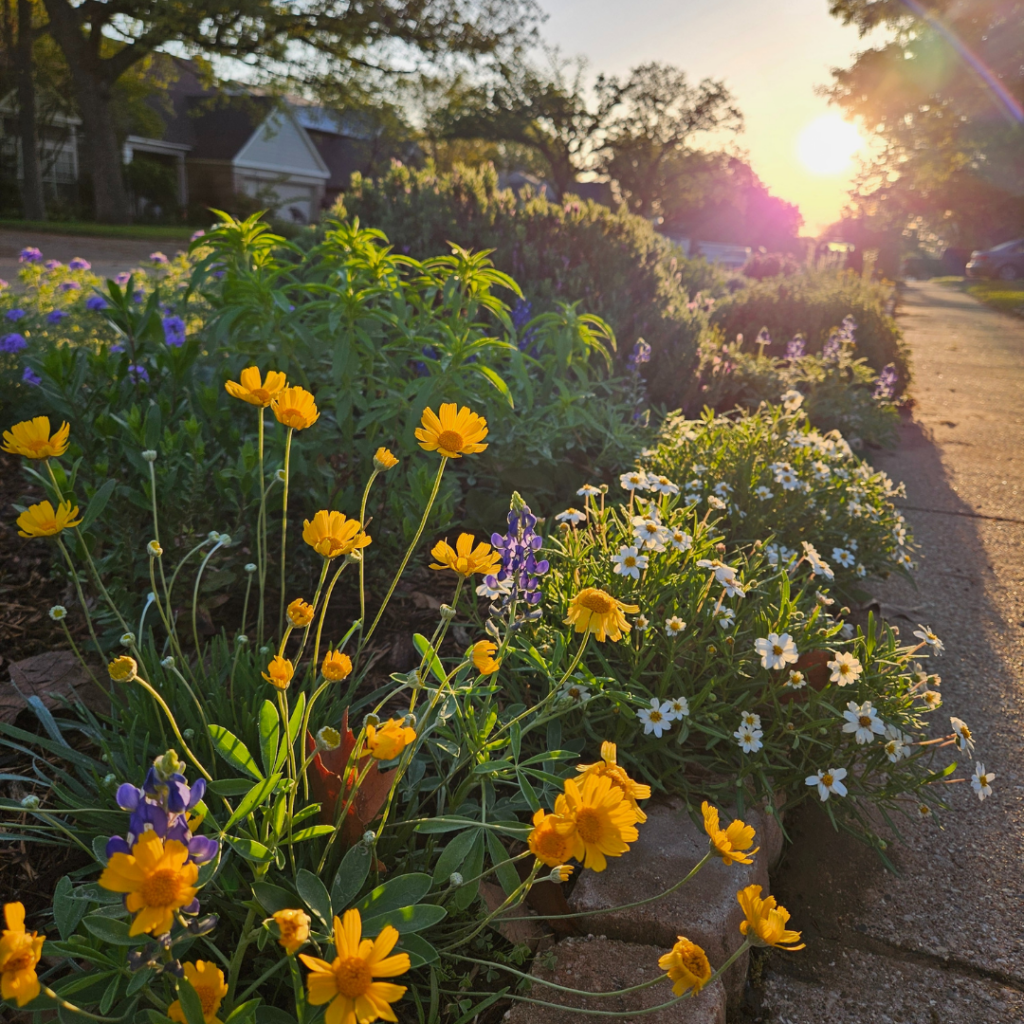
Do you aspire to have a sustainable home landscape with native Texas plants that conserves water, saves you money on your utility bill, requires less maintenance, provides habitat for pollinators and wildlife, and looks great?

These conservation-focused ideals provide many benefits for both you and the environment, however, not all Homeowners Associations(HOAs) recognize these values due to a lack of understanding and concerns surrounding aesthetics or property value.

The following post will provide you with insight and resources to work with your HOA to promote water conservation landscaping techniques and drought tolerant native Texas plants.

Guided Approach to Working with an HOA

For those who live in communities with an HOA, here are tips for initiating native plant and water conservation landscaping for your home.

Review your HOA’s Covenants, Conditions, and Restrictions (CC&Rs) and landscaping guidelines. Understand your community’s rules and regulations before making plans. However, keep in mind that there may be some regulations that are not enforceable due to applicable laws discussed later in this article.

Identify the plants you want for your home and their care requirements. Create a list of the native drought-tolerant plants you want to include in your plantscape. If your goal is to attract a specific pollinator, research about the required host plants. Gain an understanding of the space, sunlight, water, and soil requirements for each plant. It may also be helpful to list reasons for choosing each plant, such as their low water requirements or benefits to wildlife.

Communicate with your HOA board or landscaping committee. Expect to communicate extensively. This will likely include submitting a detailed plan that lists your drought-tolerant plant selections and landscape design. Be flexible and patient during the initial feedback and revision period. Conduct additional research if necessary and address the concerns brought up by your HOA. 

“Plant the seeds” in your community. Educating your community members is a crucial step for promoting conservation landscaping. Benefits include lower utility bills, conserving water, increased plant survivability during droughts and harsh winters, managing stormwater, decreased maintenance, attracting pollinators, and supporting biodiversity.

Be equipped to handle opposition from your HOA. Be knowledgeable about the Texas Property Codes (discussed in the next section) if your HOA tries to restrict water conservation landscaping and native plants. Be prepared to receive reports from community members who believe you are violating your HOA’s landscape guidelines.

Stick to the facts. Avoid arguing about aesthetics, which are subjective, and instead focus on the objective. Talk about the benefits, show that your local water utility or water district is encouraging low water use landscaping, and back up your arguments with language from the property codes discussed here.

Start small. Beginning an entire native plantscaping project all at once can feel daunting! Focus on smaller areas such as the mailbox strip or a bordered garden bed and work your way up from there.

Maintain your landscape. Yard maintenance is crucial to remain in compliance with your HOA’s landscaping standards. Be sure to always keep things tidy and don’t give them things to complain about. Create a maintenance schedule if your HOA is strict about guideline adherence. Check out the “Cues to Care” below for ideas on how to reduce complaints.

Know Your Rights: HOAs Cannot Restrict Native Drought-Resistant Plants or Water Conservation Landscaping

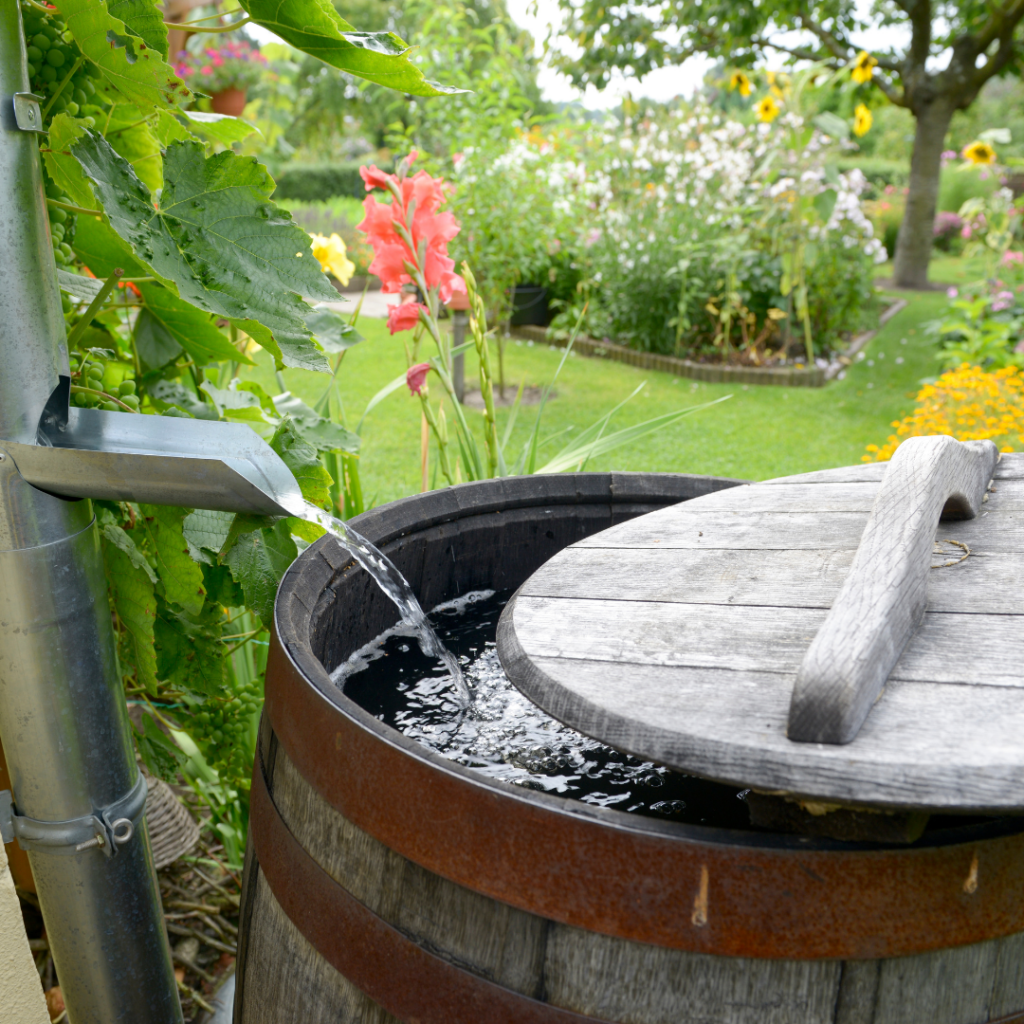
If you in a situation where your HOA discourages, prohibits, or fines homeowners for planting native flora or implementing water conservation techniques, such as rainwater collecting, efficient irrigation systems, drought-conscious landscaping, the law may be able to help!
It is against the law for HOAs to restrict homeowners from practicing drought-conscious techniques. The Texas Property Code is on your side!

Texas Property Code Sec. 202.007

Property Owner Associations Cannot Prohibit or Restrict:

  1. Solid-waste composting of vegetation
  2. Installation of rain barrels or rainwater harvesting systems
  3. Implementing efficient irrigation systems
  4. Utilizing drought-resistant landscape plants
  5. Planting water-conserving natural turf


Although HOAs cannot restrict native planting or implementation of water-conserving infrastructure, they often have the power to regulate the location and aesthetics of sustainable landscaping on your property, WITHIN REASON. This may include size, type, and shielding requirements for rain barrels or compost bins.

Click here to read the code in full.

HB 517 (Effective 09/01/2025)

HB 517 is a recent amendment passed on May 26, 2025, that will add section 202.008 to the Texas Property Code. In short, this bill will limit property owner associations from fining homeowners during residential water restriction periods.

During water restriction periods, a property owners’ association cannot fine homeowners for a community violation relating to maintaining green vegetation or turf. If your plants discolor or turn brown during a period of drought, you cannot be fined by your HOA.

Additionally, the limitation of HOA violation fines for discolored vegetation extends for 60 days after the water restriction period is lifted. This would allow residents of HOAs to have time to care for their plants that were affected by a drought.

Click here to read the code in full.
Cues to Care: Keeping Your Sustainable Landscaping Looking Great

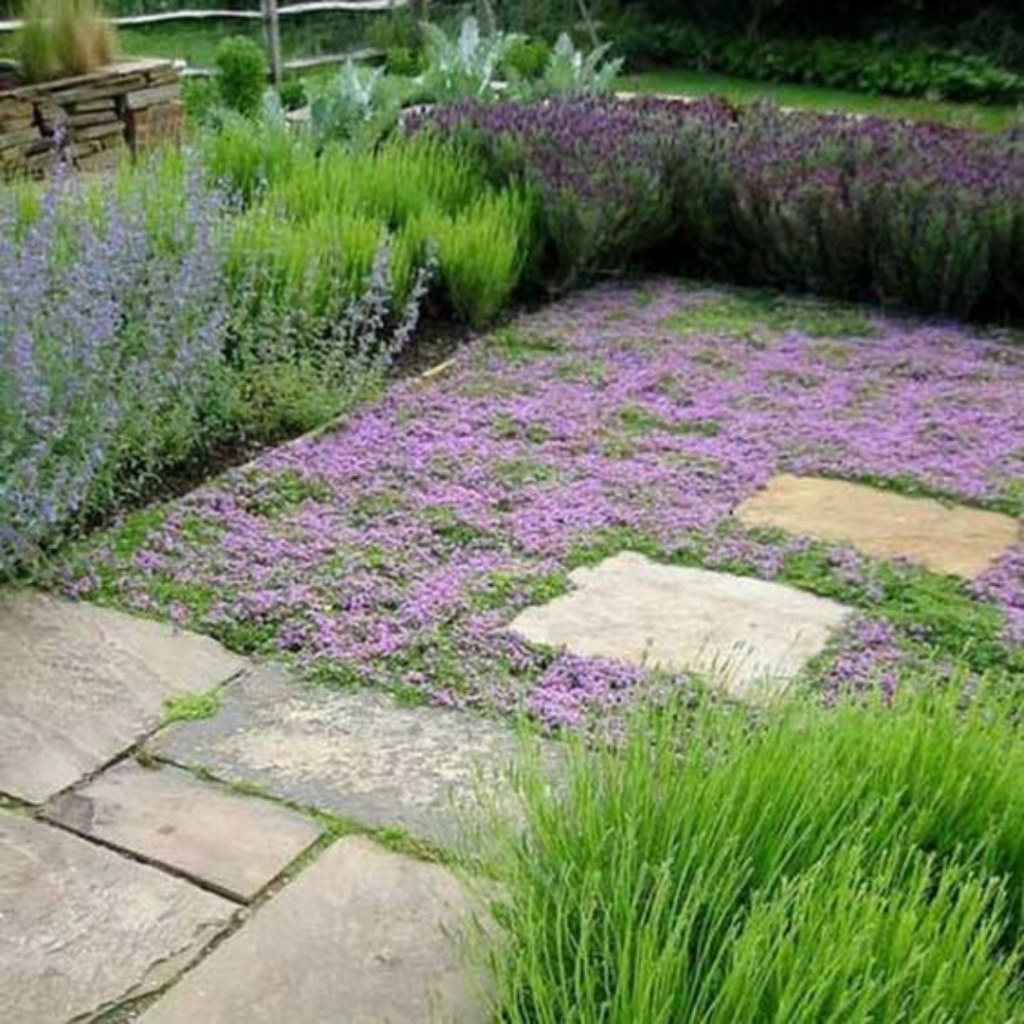
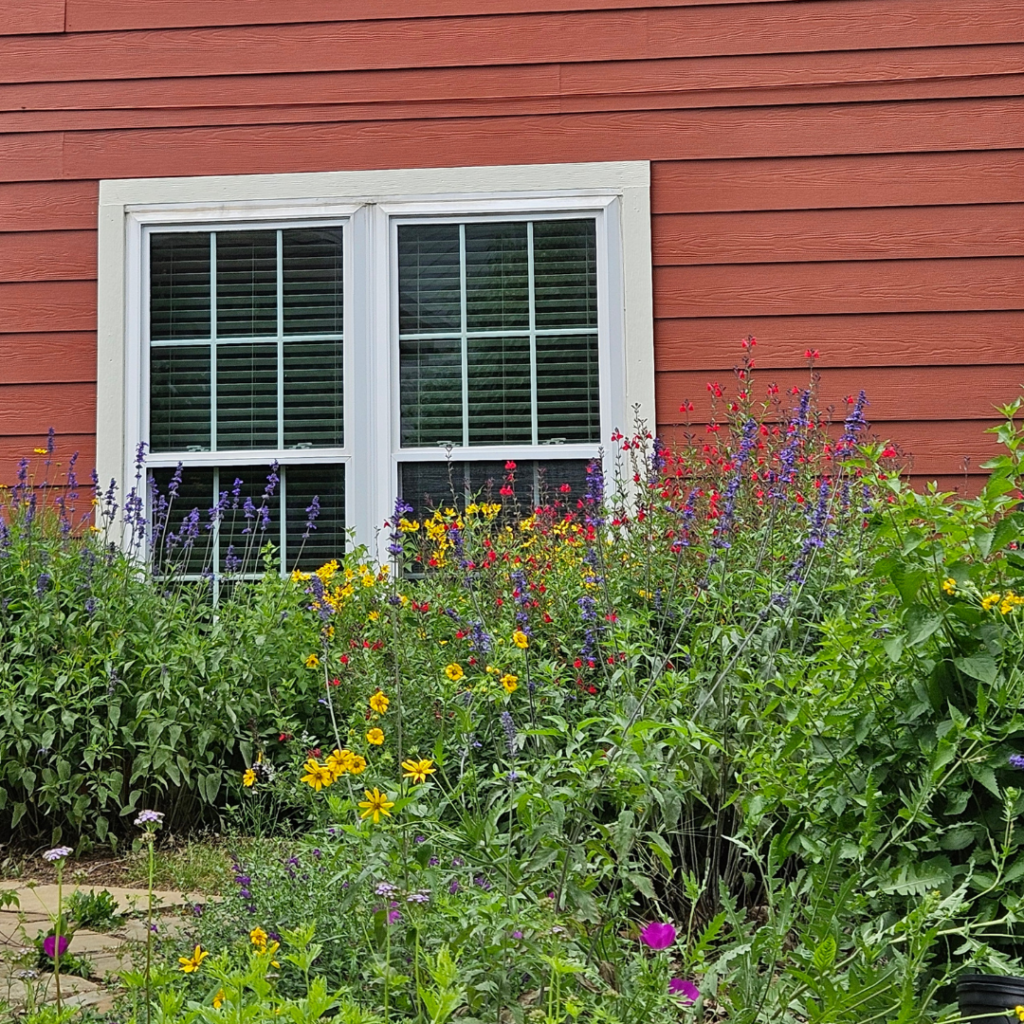
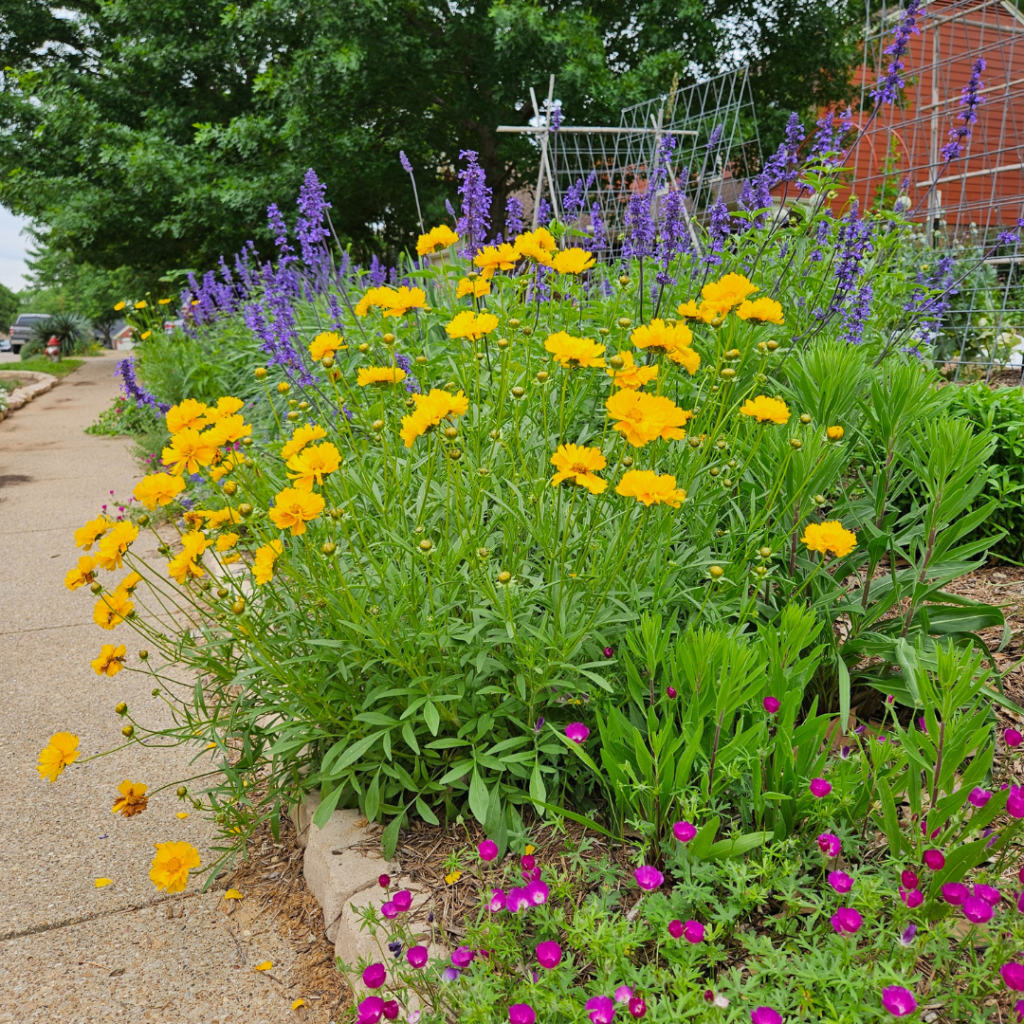
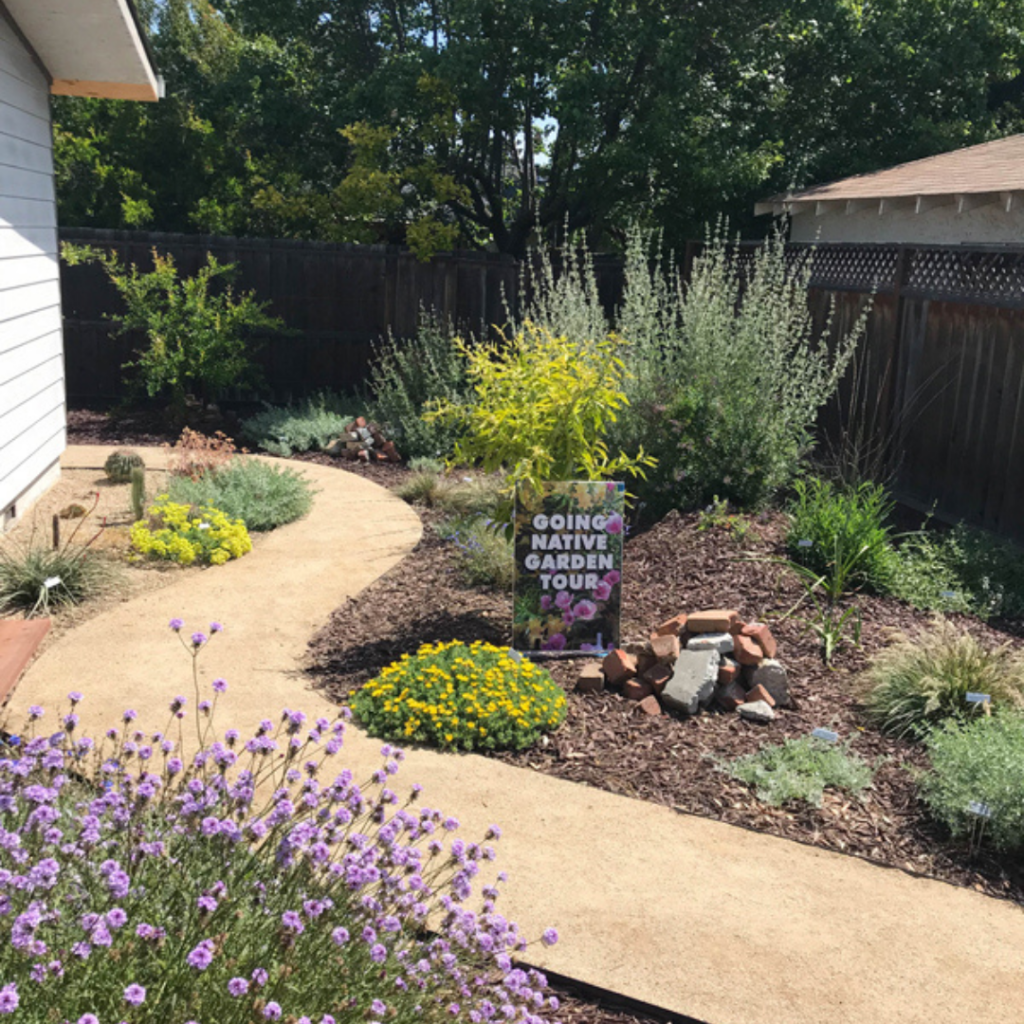
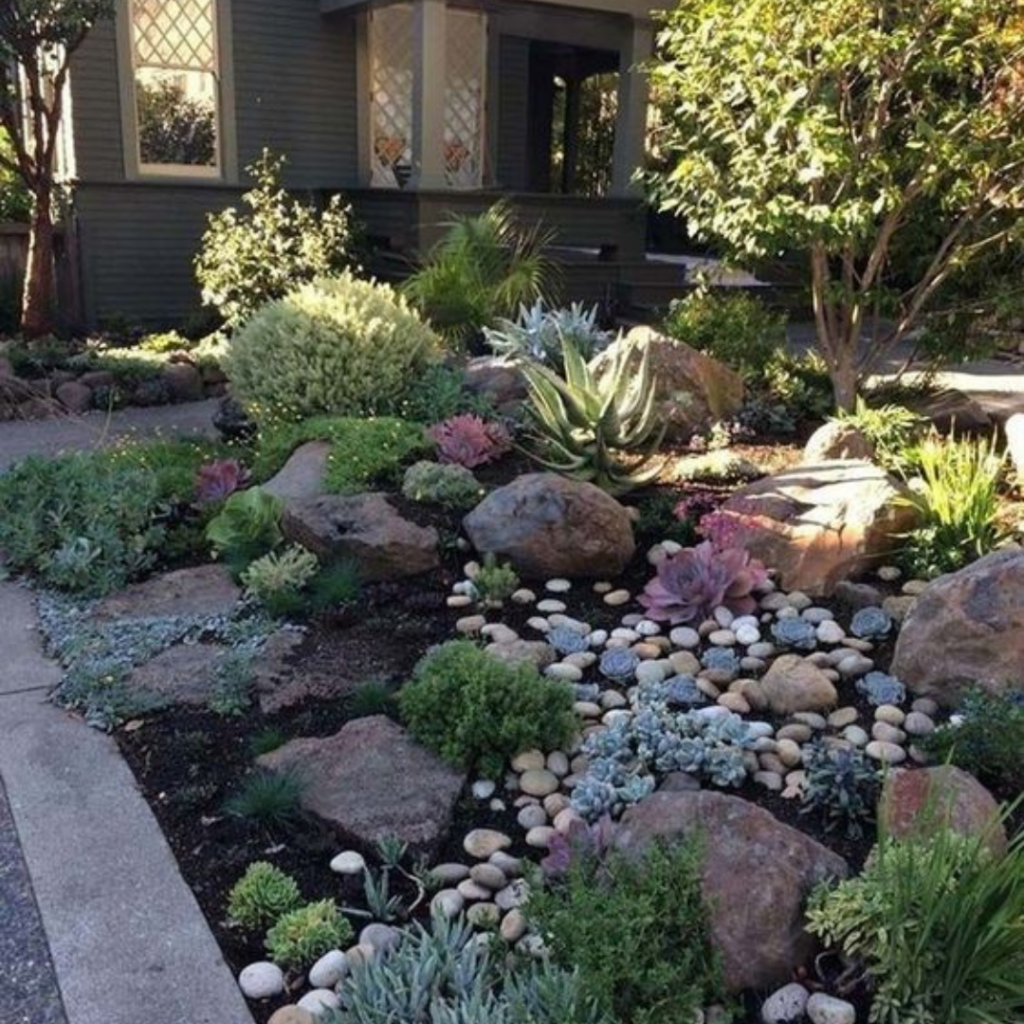
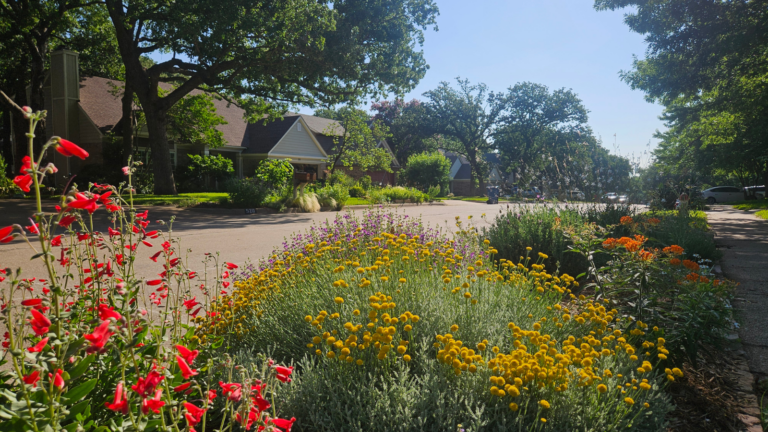
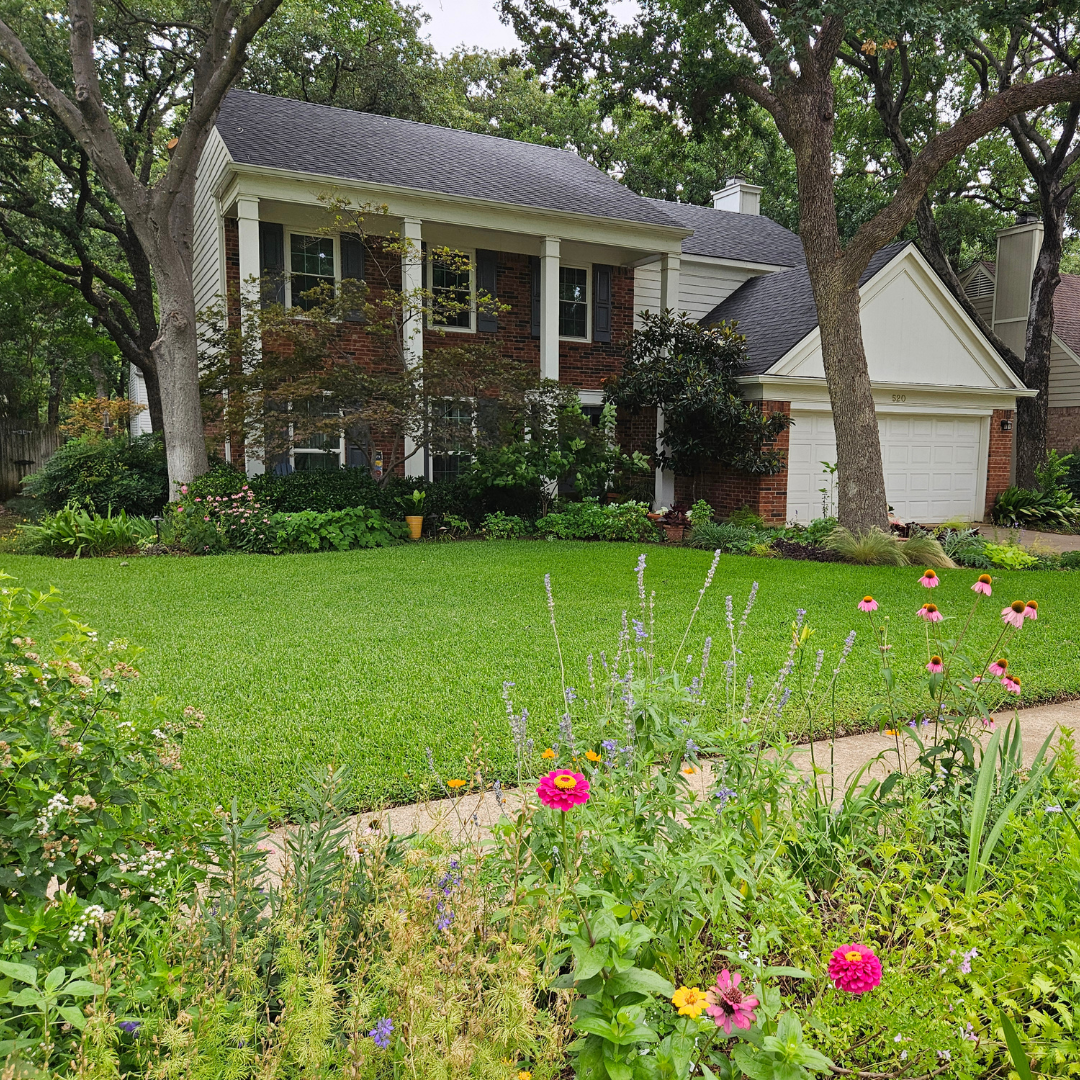
Depending on plant selection and landscape design, sometimes water conservation landscaping and native plants can have a more naturalistic look, which can attract unwanted attention. These tips can be helpful to keep in mind when creating your landscape design, and making and implementing your maintenance plan. The objective is to make sure your landscape looks intentional and cared for.
  • Keep it clean and tidy
  • Remove all weeds
  • Group like plants together
  • Create symmetry, design, and style
  • Trim dead or brown growth in late summer
  • Deadhead flowers to encourage more blooms
  • Add wildlife features like bird feeders, bird houses, bird baths, bee houses, bat houses, hummingbird feeders, and water features
  • Add yard art like windmills, statues, lights, decorative planters or pots, and other art pieces
  • Create structure with paths, pavers, trellises, dry creek beds, and large rocks
  • Reduce bare ground by placing rocks, gravel, mulch, or decomposed granite between plants
  • Maintain clean borders by trimming leaning plants, edging, mowing, and using rocks or a variety of border materials
  • Get a certification and yard sign (if allowed) that designates your landscape as a wildlife habitat, Monarch waystation, Homegrown National Park, Texas Wildscape, wildflower area, pocket prairie, or similar

Let Us Come Talk to Your Community!

If you think your HOA board or community members would like to learn more about water conservation landscaping or the laws discussed here, we would love to come talk to your and your neighbors!
Click here to request a presentation from one of the water conservation experts here at TRWD.

Want more? Additional Resources:

This blog was written by Ren Rossel, Conservation Student Assistant.

Share on facebook
Facebook
Share on google
Google+
Share on twitter
Twitter
Share on linkedin
LinkedIn
Share on pinterest
Pinterest